
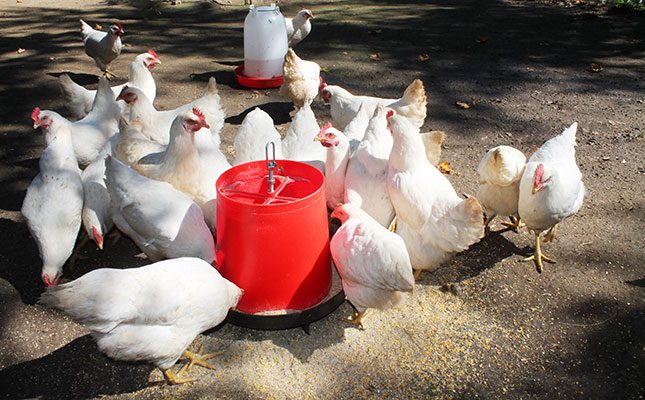
South Africa’s poultry industry is once again under pressure as rising global cases of bird flu reignite debate over the use of vaccination to protect flocks. The issue is gaining urgency as farmers, scientists, and policymakers look for more sustainable ways to manage recurring outbreaks and safeguard the sector.
Recent increases in avian influenza cases in regions such as Europe and the United States have placed South Africa on high alert. These outbreaks are closely monitored because migratory wild birds often carry the virus across continents, making it difficult to contain through traditional control measures. As a result, local poultry populations remain highly vulnerable to new waves of infection.
For years, the primary response to outbreaks has been mass culling of infected and exposed birds. While this approach can slow the immediate spread of the disease, it has proven insufficient in preventing future outbreaks. Each new wave brings fresh losses, raising concerns that the industry is caught in a costly cycle that offers little long-term protection.
This has led to growing support for vaccination as a more sustainable solution. Veterinary experts argue that vaccines can reduce the severity of outbreaks and limit large-scale losses, helping to stabilize production. Rather than being used only in emergencies, vaccination is increasingly viewed as a key component of a broader disease management strategy, alongside strict on-farm biosecurity measures.
The urgency of the debate is shaped by the sector’s past experiences. Previous outbreaks resulted in the loss of millions of birds, severely disrupting both egg and poultry meat supply. Many farmers faced significant financial strain, particularly due to limited compensation for culled flocks. These challenges have intensified calls for preventive measures that can better protect both livestock and livelihoods.
However, adopting vaccination at scale comes with its own set of challenges. Costs, logistics, and the need for effective monitoring systems remain key concerns. There are also regulatory hurdles to overcome, including ensuring that vaccination does not interfere with disease detection or international trade requirements.
Despite these obstacles, momentum is building. Several countries have already begun integrating vaccines into their poultry health strategies, reporting improved flock survival and reduced infection rates. These developments are strengthening the case for a similar approach in South Africa.
The growing pressure from across the industry signals a shift away from purely reactive measures toward more proactive solutions. As bird flu continues to evolve globally, the future of poultry farming in South Africa may depend on how quickly and effectively vaccination strategies are implemented.
Ultimately, the debate reflects a broader reality: protecting poultry health is not just about managing disease—it is essential for ensuring food security, stabilizing supply chains, and sustaining the livelihoods of farmers across the country.
