
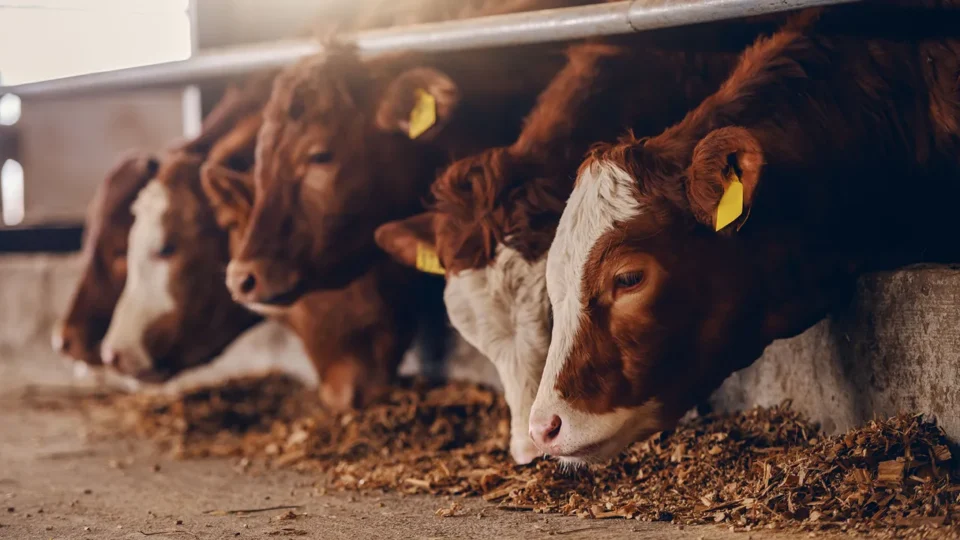
Successful heifer development is one of the most important investments in any cow-calf operation. A heifer’s ability to conceive early, calve successfully, and rebreed efficiently has a direct impact on herd productivity and long-term profitability.
By focusing on proper nutrition, breeding management, and calving preparation, producers can develop productive cows that remain efficient and profitable for many years.
Early Puberty Supports Better Reproductive Performance
For a heifer to calve as a two-year-old, she must reach puberty and conceive between 12 and 15 months of age. Heifers that begin cycling earlier generally achieve higher conception rates and improved reproductive performance.
Research shows that conception rates increase significantly between the first and third estrous cycles, making early reproductive development essential.
Heifers born earlier in the calving season often have a natural advantage because they are older and more mature by breeding time. These heifers typically:
- Reach puberty sooner
- Conceive earlier
- Produce heavier calves at weaning
- Deliver stronger lifetime productivity
- Achieve higher rebreeding success as first-calf cows
Nutrition Forms the Foundation of Development
Proper nutrition is critical during the heifer development phase. Before reaching puberty, heifers prioritise nutrients for growth rather than reproduction. Poor nutrition can delay puberty and negatively affect fertility.
Traditional recommendations suggest that heifers should reach approximately 60–65% of their expected mature body weight before breeding, although some studies indicate slightly lower targets may still support good reproductive performance.
However, overfeeding can also create problems. Excessive body condition may reduce conception rates, increase embryonic loss, and negatively affect udder development.
Maintaining a balanced nutritional programme and targeting a body condition score of 5 to 6 at breeding helps support healthy reproductive performance without excessive fat accumulation.
Breeding Heifers Earlier Improves Recovery Time
Many producers breed heifers three to four weeks before the mature cow herd. This management strategy offers several important advantages.
Earlier breeding:
- Creates a more compact calving season
- Allows producers to focus labour and monitoring on heifers first
- Gives first-calf heifers additional recovery time before the next breeding season
Because heifers are still growing while raising their first calf, they require more time after calving to resume normal reproductive cycles.
Reducing Calving Difficulties
Managing calving difficulty is another essential part of successful heifer development.
Producers can reduce dystocia risk by:
- Ensuring heifers reach proper breeding weights
- Selecting calving-ease bulls with favourable Expected Progeny Differences (EPDs)
- Using pelvic measurements to identify and cull heifers with smaller pelvic sizes
These strategies help minimise difficult births while improving overall herd performance and animal welfare.
Building the Future Cow Herd
Replacement heifers represent the future productivity of the herd. Investing in proper development through balanced nutrition, reproductive management, and careful breeding decisions helps create healthier, more fertile, and longer-lasting cows.
With the right management approach, producers can improve herd efficiency, strengthen reproductive success, and support long-term profitability across the entire operation.
