
Global trade discussions and shifting international relations created significant volatility in the beef market last week, as uncertainty surrounding import policies and export access continued to influence the cattle industry.
Speculation emerged early in the week that the United States government could temporarily suspend beef tariff rate quotas for countries exporting beef into the American market. The reported move was aimed at easing rising beef prices for consumers, but it immediately sparked concern among livestock industry groups worried about the potential impact on local cattle producers and domestic market stability.
Although no official policy announcement was made, discussions around trade measures highlighted the growing pressure governments face in balancing food affordability with protecting domestic agricultural industries.
At the same time, renewed diplomatic engagement between the United States and China brought cautious optimism to global beef exporters. Industry attention focused on the possible reopening of the Chinese market to several American beef processing plants whose export registrations had previously expired.
Market analysts believe any improvement in trade access between major beef-producing and importing nations could influence global meat flows, pricing structures, and export opportunities across international markets.
China remains one of the world’s most important beef import destinations, particularly for offal products, variety meats, and certain beef cuts that often have lower demand in Western markets. Improved trade access could therefore strengthen overall market value throughout the beef supply chain.
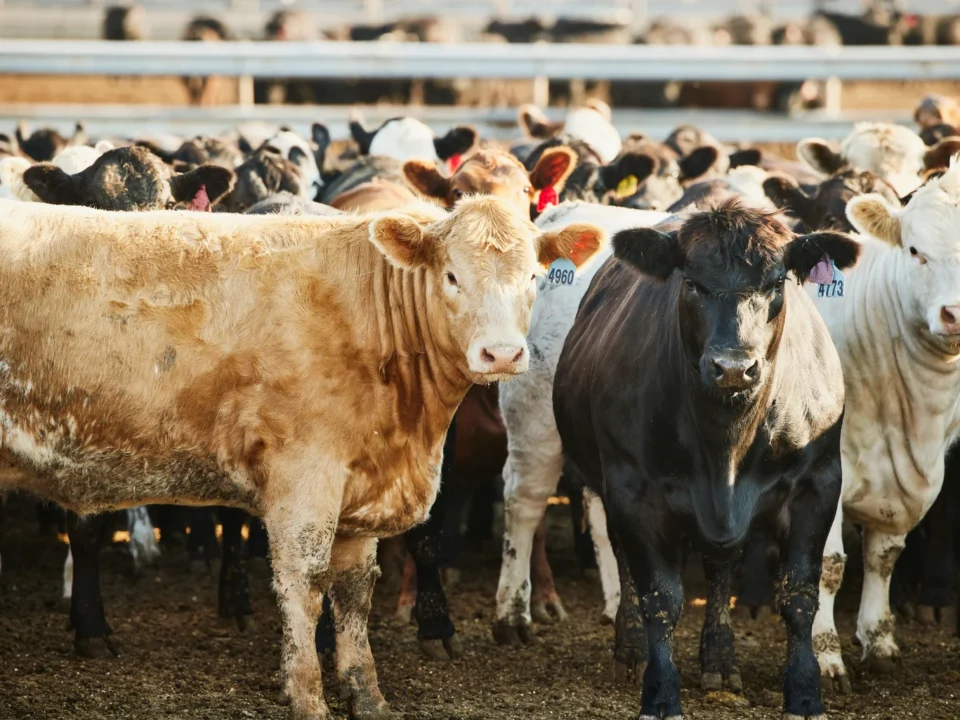
The uncertainty surrounding trade developments contributed to strong price fluctuations in cattle futures markets during the week. Live cattle prices recorded gains, supported largely by stronger cash market activity and continued competition among processors seeking adequate supply.
Cash cattle prices increased as processors competed aggressively to secure animals ahead of the traditionally stronger seasonal demand period. Slaughter numbers also rose compared to the previous week, reflecting continued processor demand despite ongoing supply challenges.
However, while cattle prices strengthened, wholesale beef prices showed only modest improvement. Market observers noted that the expected seasonal rally in premium beef cuts such as ribs and loins has so far remained relatively subdued compared to previous years.
Even so, consumer demand for beef continues to demonstrate resilience despite rising retail prices. Recent market data showed fresh beef sales increasing year-on-year, outperforming some competing protein categories. Ground beef and steak prices also continued trending upward as tight cattle supplies supported the market.
Industry experts say processors remain under pressure as rising livestock prices continue squeezing margins, even as they attempt to position themselves for stronger summer demand.
For African livestock producers and beef exporters, developments in global beef trade negotiations remain highly relevant. International trade policy changes, shifting export access, and global supply dynamics can directly influence pricing opportunities, investment decisions, and future export potential for emerging beef industries across Africa.
As global beef markets continue reacting to economic uncertainty, trade diplomacy, and supply constraints, analysts expect volatility to remain a major feature of the sector in the coming months.
