
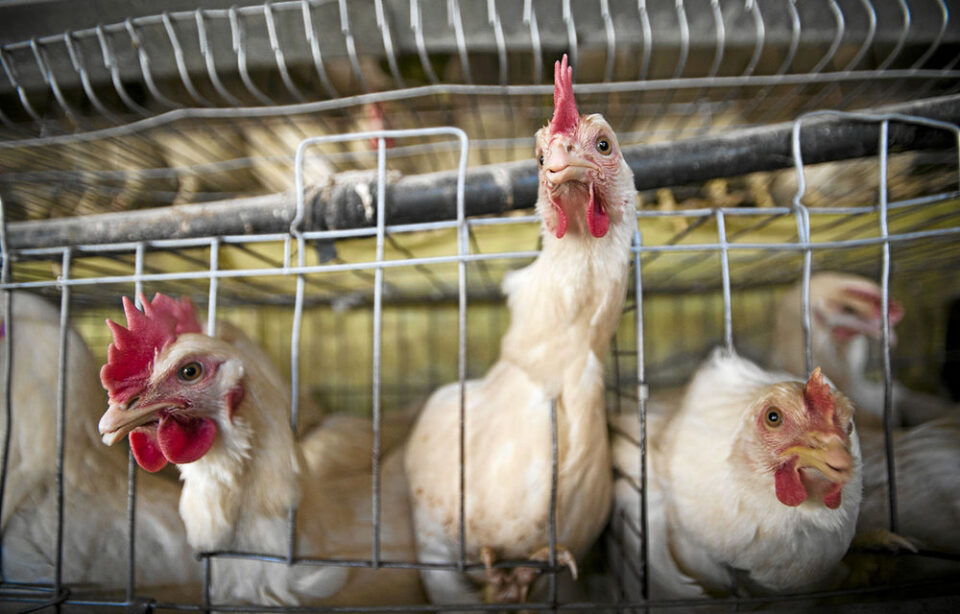
In mid-April, poultry prices in Egypt rose sharply, catching the attention of both traders and consumers. The increase comes at a time when many had expected relative stability following earlier price declines, signaling that deeper challenges within the food production system are beginning to surface. While poultry remains one of the more affordable protein sources, the steady rise in prices is gradually eroding that advantage, placing added strain on households that rely on it as a daily staple.
Interestingly, this trend contrasts with developments in the red meat market, where prices have shown a modest decline. This shift is beginning to influence consumer choices, as some households reassess their spending based on affordability. Even so, poultry continues to dominate due to its accessibility and strong cultural preference. Demand remains high despite rising costs, which in turn sustains upward pressure on prices.
At the core of the issue are rising production costs. Poultry farming is heavily dependent on feed, which represents the largest share of expenses. Increases in feed prices—driven by import costs, currency fluctuations, and supply constraints—have forced producers to raise their selling prices. Additional pressures such as higher energy costs, transportation expenses, and farm maintenance further compound the problem, creating a ripple effect that ultimately reaches consumers.
Supply dynamics are also playing a role. Poultry production operates in cycles, making it sensitive to disruptions such as disease outbreaks, weather variability, and logistical challenges. Even minor interruptions can tighten supply, and in a market with consistently strong demand, prices tend to respond quickly. This explains the frequent and sometimes sudden price fluctuations seen in the poultry sector.
Beyond poultry, Egypt’s broader food market is showing mixed trends. Some categories, such as fish, have experienced price increases, while others, including certain dairy products, have remained stable or slightly declined. This uneven movement is forcing consumers to make more calculated decisions, often prioritizing affordability over preference. In this context, poultry remains a key option, even as it becomes more expensive.
Despite these pressures, Egypt’s poultry industry continues to demonstrate resilience. Strong local production helps meet domestic demand and reduces reliance on imports, offering a degree of stability. However, underlying challenges—particularly around production efficiency and cost management—still need to be addressed to ensure long-term sustainability.
Looking ahead, the direction of poultry prices will depend largely on how effectively these challenges are managed. Improvements in feed supply, cost control, and supply chain efficiency could help stabilize the market. For now, rising poultry prices highlight the broader pressures facing Egypt’s food system, underscoring how closely agriculture, economics, and everyday life are interconnected.
