
Across Africa’s livestock sector, recent developments highlight both the opportunities and vulnerabilities facing cattle producers, from security concerns and disease risks to market dynamics and processing challenges.
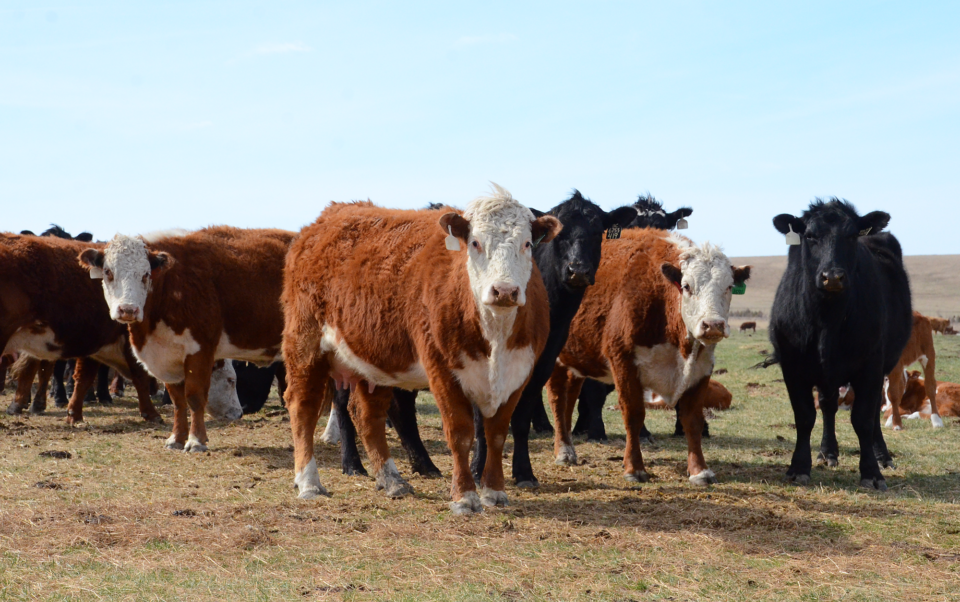
In parts of Africa, livestock theft and rural insecurity continue to threaten farming communities, particularly in countries such as South Africa, Kenya, and Nigeria. Cattle farmers are increasingly investing in traceability systems, including electronic identification (EID) tags and digital livestock platforms, to track animal movement, reduce losses, and meet export requirements. These systems are becoming essential as African countries seek to expand access to premium international markets that demand full traceability and disease control.
Market signals in the beef sector also point to shifting consumer behavior. As input costs rise and household incomes remain under pressure in many economies, consumers are gradually adjusting their purchasing habits—often opting for more affordable cuts of meat. This trend is influencing pricing structures across the value chain, with demand spreading more evenly across different grades of beef rather than concentrating only on premium products.
At the same time, animal health remains a critical concern. The risk of transboundary diseases, including foot-and-mouth disease and other livestock infections, continues to pose a major threat to production and trade across the continent. Experts emphasize the importance of early detection systems, improved veterinary responses, and stronger biosecurity measures to prevent outbreaks from disrupting markets and livelihoods.
Processing capacity is another area of concern. In several African countries, small and mid-sized meat processors face financial and operational challenges, including high compliance costs, infrastructure limitations, and inconsistent supply. When processors struggle or shut down, it disrupts the entire value chain—from farmers to retailers—highlighting the need for stronger investment in local processing and supply chain resilience.
Despite these pressures, sentiment within parts of the livestock sector remains cautiously optimistic. Demand for animal protein continues to grow across Africa due to population growth and urbanisation, creating long-term opportunities for producers. However, rising input costs—particularly for feed, fuel, and veterinary services—remain a top concern for farmers and agribusinesses.
Looking ahead, transparency and governance are becoming increasingly important across the sector. As governments and industry bodies work to improve livestock management systems, there is growing emphasis on better data access, clearer regulations, and stronger oversight of shared resources such as grazing land and water.
Overall, Africa’s livestock sector stands at a critical point. Strengthening traceability, improving disease control, investing in processing capacity, and supporting farmers through rising costs will be key to unlocking the continent’s full potential in both domestic and global beef markets.
