
One of the most important decisions new poultry farmers face is whether to raise layers or broilers. While both systems can be profitable, they serve different purposes and require different management approaches. Understanding these differences is essential for making informed investment decisions and maximizing returns.
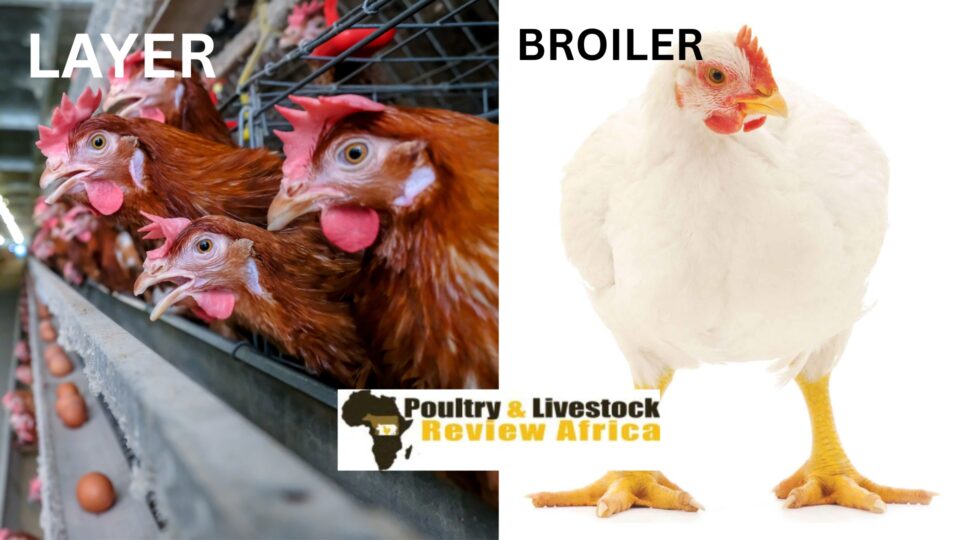
Layers are chickens bred specifically for egg production. Their primary role is to produce eggs consistently over an extended period, making them suitable for farmers seeking a regular source of income. Broilers, on the other hand, are raised for meat production and are bred to grow rapidly, allowing farmers to sell them within a relatively short production cycle.
The growth patterns of the two types of poultry differ significantly. Layers typically reach maturity at around 18 to 20 weeks of age before beginning egg production. Broilers grow much faster and can often reach market weight within six to eight weeks, providing quicker returns on investment.
Nutritional requirements also vary according to production goals. Layer chickens require diets rich in calcium and other nutrients that support strong eggshell formation and sustained egg production. Broilers need high-protein feed designed to promote rapid muscle development and efficient weight gain.
Housing systems are generally tailored to the specific needs of each enterprise. Layers are commonly raised in controlled environments where egg collection and flock management can be optimized. Broilers are often kept in floor-based systems that provide sufficient space for growth during their relatively short production period.
Lighting management plays a critical role in poultry performance. Layer flocks typically follow carefully planned lighting schedules to maintain consistent egg production, while broilers may be exposed to longer lighting periods to encourage feeding activity and support growth.
From an economic perspective, the two systems generate revenue differently. Broiler farmers earn income each time birds are sold for meat, resulting in faster cash flow but requiring frequent restocking. Layer farmers benefit from ongoing egg sales over many months, creating a more consistent income stream once the flock reaches production age.
The lifespan and production cycles of the birds also differ considerably. Broilers are marketed after a few weeks, whereas layers can remain productive for up to two years under proper management. While broilers are capable of laying eggs, they are not efficient producers and are generally unsuitable for commercial egg operations.
Management requirements, health programs, and vaccination schedules vary between the two enterprises. Broilers often face greater risks associated with rapid growth and high stocking densities, while layers require long-term health management to sustain egg production throughout their productive life.
When deciding between layers and broilers, farmers should consider factors such as available capital, market demand, management capacity, housing facilities, and cash flow requirements. Those seeking quick returns may find broiler production more attractive, while farmers looking for long-term, steady income may prefer layer farming. Some producers successfully combine both enterprises to diversify revenue streams and reduce business risk.
Ultimately, neither system is inherently better than the other. Success depends on selecting the production model that best aligns with the farmer’s resources, goals, and target market. With proper planning and management, both layers and broilers can contribute significantly to a profitable poultry business.
