
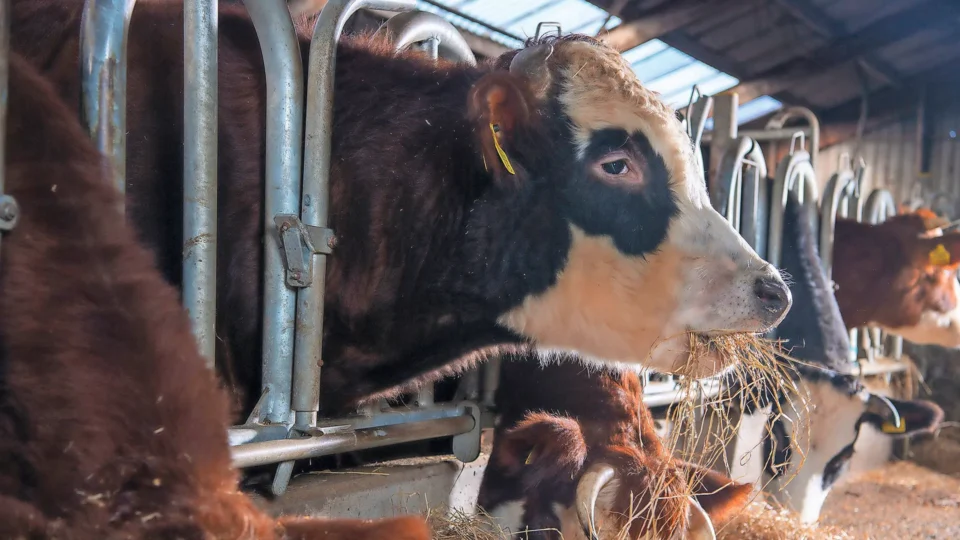
Accurate feeding begins with a precise understanding of animal nutrient requirements and the ability to predict feed-use efficiency. While dairy nutrition models have been continuously updated over the years, beef production has largely relied on feeding recommendations developed more than three decades ago. Researchers now believe these outdated models no longer reflect the demands of modern beef production systems.
Updating Beef Nutrition Models
Scientists at the Agri-Food and Biosciences Institute (AFBI) found that advances in cattle genetics, feeding systems, feed ingredients and growth performance have significantly altered the nutritional requirements of beef cattle. Analysis of more than 20 years of data from steers, heifers and suckler cows revealed that maintenance energy requirements are approximately 24% higher than those predicted by the long-established AFRC feeding system.
The Feed into Beef (FiB) Project
These findings led to the development of the Feed into Beef (FiB) project, a five-year initiative funded by AHDB in collaboration with AFBI, SRUC, the Centre for Innovation Excellence in Livestock and industry partners. The project was established to create a modern, evidence-based feeding system capable of predicting feed requirements and animal performance more accurately.
The FiB nutrition model has since been validated using research data from institutions across the UK and Ireland, as well as commercial feed industry partners. Updated nutrition equations are now available to support beef producers and livestock nutritionists.
Improving Feeding Accuracy
Professor Tianhai Yan, who has spent more than 30 years researching cattle energy metabolism at AFBI, says precise feeding models are becoming increasingly important as farmers contend with fluctuating forage quality and rising feed costs.
“Good feeding starts with accurate quantification of feed requirements and robust prediction of feed-use efficiency. Without that, performance, production costs and emissions become difficult to manage.”
David Wilde, a member of the project’s Industry Advisory Group, noted that the revised dry matter intake and metabolisable energy models are already delivering reliable results under commercial farming conditions where feed intake and cattle weights are routinely monitored.
Supporting Productivity and Sustainability
More accurate feed rationing delivers benefits beyond improved animal performance. Matching nutrient supply more closely to livestock requirements enhances feed conversion efficiency, reduces nutrient losses and improves the utilisation of home-grown forage. With purchased feed remaining one of the largest production costs, these improvements can significantly strengthen farm profitability.
The introduction of the FiB feeding system represents a major advancement for the UK beef industry. Together with the established Feed into Milk (FiM) model for dairy cattle, it provides livestock producers with modern, science-based tools to optimise feeding strategies, improve productivity and support more sustainable beef production.
