
South African beef and dairy farmers are facing mounting pressure from rising production costs and relatively low farm-gate prices. While many diversify into high-value export crops such as blueberries, apples and pecan nuts, Wagyu beef offers a premium alternative that builds on existing livestock operations.
One of the biggest advantages of export-focused production is access to stronger foreign currencies. Markets across the Middle East, Asia, Europe and North America provide higher-value opportunities, allowing farmers to reduce their reliance on local market prices and improve profitability.
Unlike horticultural enterprises, Wagyu production uses existing cattle infrastructure, management systems and livestock expertise, making it a practical diversification strategy for beef and dairy producers.
Moving beyond conventional beef
Many South African beef producers continue to contend with modest weaner prices, while dairy farmers receive only a small share of the final retail value of milk. Introducing Wagyu genetics allows producers to enter the premium beef market without replacing their current production systems.
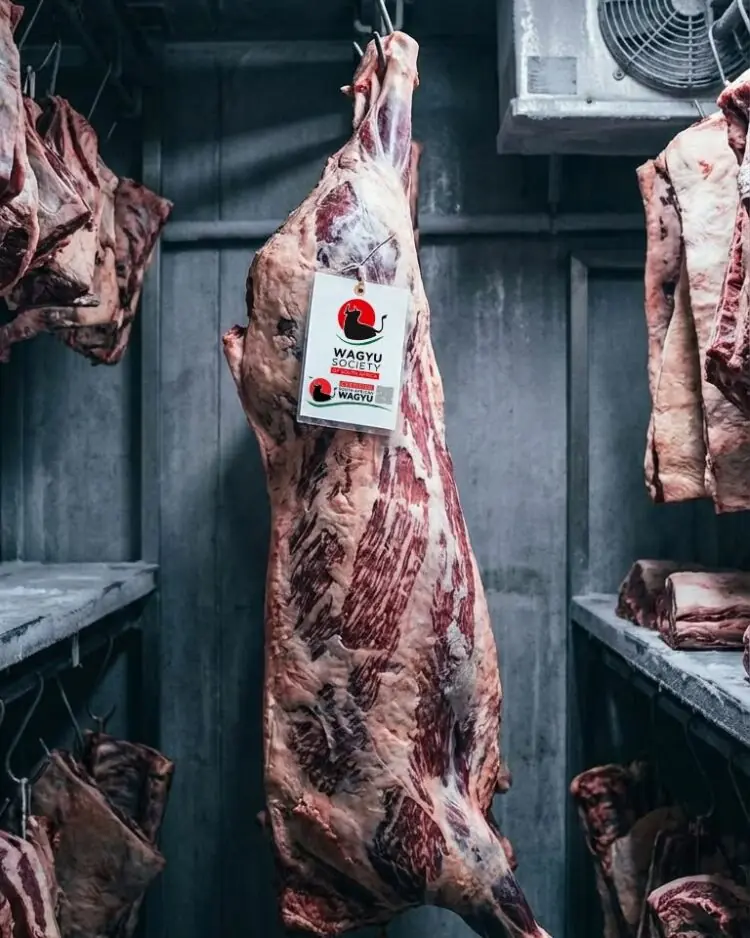
Wagyu cattle are renowned for their exceptional marbling—fine intramuscular fat that enhances tenderness, flavour and juiciness. Marbling develops from around 12 months of age and typically reaches optimum levels between 24 and 36 months, depending on genetics and management.
A genetic advantage
Marbling is highly heritable, with an estimated heritability of about 45%, making Wagyu an ideal breed for crossbreeding programmes.
Using Wagyu bulls or artificial insemination on beef or dairy cows can significantly improve carcass quality in first-generation (F1) calves, with further gains achieved in subsequent generations. Even breeds that traditionally produce lower-marbling beef can benefit substantially from Wagyu genetics.
A growing South African industry
South Africa’s Wagyu industry has expanded rapidly since the first embryos were imported in 1998. Today, the country has more than 100 registered breeders and over 140 Certified Wagyu Beef (CWB) producers.
To protect product quality and consumer confidence, Wagyu SA established the Certified Wagyu Beef programme, which oversees breeding standards, traceability, grading, certification and product authentication.
The certification programme processed an average of around 400 certified carcasses per month during 2024, with premium cuts and whole carcasses now exported through approved processing facilities to international markets.
A practical diversification strategy
Wagyu SA encourages producers to allocate around 30% of their herd to Wagyu production.
Farmers can begin by introducing Wagyu bulls or semen into existing beef or dairy herds, allowing them to diversify income while continuing conventional cattle production. Many producers finish cattle through Certified Wagyu Beef feedlots before slaughter at approved export abattoirs, although on-farm finishing is also possible under certified production protocols.
South African breeders also have access to internationally recognised Wagyu bloodlines, including the black Tajiri (Tajima), Fujiyoshi (Shimane) and Tottori (Kedaka) lines, as well as the red Akaushi (Japanese Brown) bloodline.
Strong export potential
Wagyu SA’s 2024–2028 strategy focuses on expanding both domestic and international demand while supporting producers across the value chain.
With global demand for certified Wagyu continuing to exceed supply, the breed presents an opportunity for commercial and emerging farmers to diversify income, access premium export markets and improve long-term profitability through higher-value beef production.
