
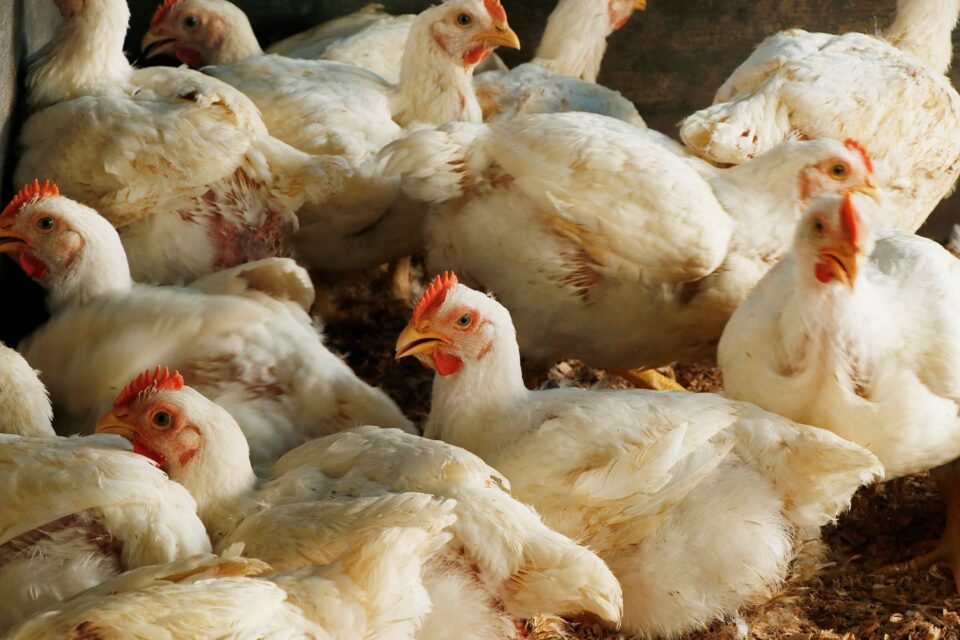
The global poultry industry could face rising production costs as geopolitical tensions increasingly threaten the stability of feed and agricultural input markets. While feed prices have remained relatively stable in recent months due to strong grain supplies, industry experts warn that political conflicts, trade disruptions, and supply chain vulnerabilities may significantly impact costs in the near future.
Speaking at the World Egg Organisation Business Conference in Warsaw, Rabobank’s Senior Global Specialist for Animal Protein, Nan-Dirk Mulder, noted that current market conditions appear favourable, but several underlying risks could quickly alter the outlook for poultry producers worldwide.
According to Mulder, healthy grain inventories and moderate commodity prices have provided a degree of stability for poultry farmers. However, growing geopolitical uncertainty is creating concerns about the future availability and affordability of key agricultural inputs.
One area of particular concern is the global fertilizer market. Fertilizers are essential for producing major feed crops such as maize, wheat, and soybeans, all of which are critical ingredients in poultry feed. Disruptions to fertilizer supply chains could reduce crop production, increase farming costs, and ultimately drive feed prices higher.
Industry analysts point to strategic shipping routes such as the Strait of Hormuz as critical links in the global supply chain. A large share of fertilizer exports, energy products, and agricultural inputs pass through this corridor. Any escalation of tensions in the region could affect global trade flows and trigger price volatility across agricultural markets.
Energy prices also remain a key factor influencing feed production costs. Higher oil and natural gas prices increase expenses associated with fertilizer manufacturing, crop production, transportation, grain processing, and feed milling. As a result, fluctuations in energy markets often have a direct impact on poultry production costs.
Despite these concerns, several positive developments are helping to support market stability. Grain production across Europe is showing signs of improvement following previous weather-related challenges. France, one of Europe’s leading wheat producers, is expecting a stronger harvest season, which could help improve regional grain availability.
Global grain stocks also remain relatively healthy. Strong corn and wheat supplies from major exporting countries, combined with record soybean production in South America, particularly Brazil, have helped maintain adequate feed ingredient availability and prevent significant price increases.
Feed remains the largest operating expense for poultry producers, often accounting for more than 60% of total production costs. Even small increases in grain, soybean meal, fertilizer, or energy prices can have a significant effect on profitability. As a result, producers are being encouraged to strengthen risk management strategies, diversify supply sources where possible, and closely monitor international developments.
Although global demand for poultry products continues to grow, industry experts believe geopolitical developments will remain a major factor shaping feed markets in the years ahead. The ability of producers to adapt to changing trade dynamics, supply chain challenges, and fluctuating input costs will be critical to maintaining profitability and ensuring long-term sustainability across the poultry sector.
