
Nigeria’s livestock industry is set for significant transformation following the introduction of a new development framework aimed at accelerating investment, improving productivity, and strengthening the country’s agricultural economy.
Industry stakeholders believe the initiative could become a major catalyst for economic growth, with projections suggesting that as many as 350,000 jobs could be created during the first two years of implementation. The framework is designed to stimulate development across the entire livestock value chain, creating opportunities for farmers, processors, transporters, veterinarians, feed manufacturers, and agribusiness investors.
A key component of the strategy is the proposed Livestock Development Fund, which aims to improve access to financing for businesses operating within the sector. Increased availability of capital is expected to support expansion, modernization, and the adoption of new technologies that can improve efficiency and productivity.
The establishment of a dedicated Ministry of Livestock Development has also been welcomed by industry leaders, who view it as an important step towards providing focused leadership and policy direction for one of Nigeria’s most valuable agricultural sectors. The ministry is expected to help create an enabling environment that encourages private sector participation while supporting sustainable industry growth.
Nigeria’s livestock industry presents substantial economic potential, with opportunities spanning meat production, dairy processing, poultry farming, leather manufacturing, and related value-added industries. Experts estimate that the sector could contribute significantly to national economic development if supported by strategic investments and effective policies.
Improving livestock productivity remains a central priority. Industry leaders have highlighted the need for greater investment in animal nutrition, breeding programmes, veterinary healthcare, and modern production systems. The adoption of advanced breeding technologies, including artificial insemination and improved genetics, is expected to play a crucial role in enhancing herd performance and increasing output.
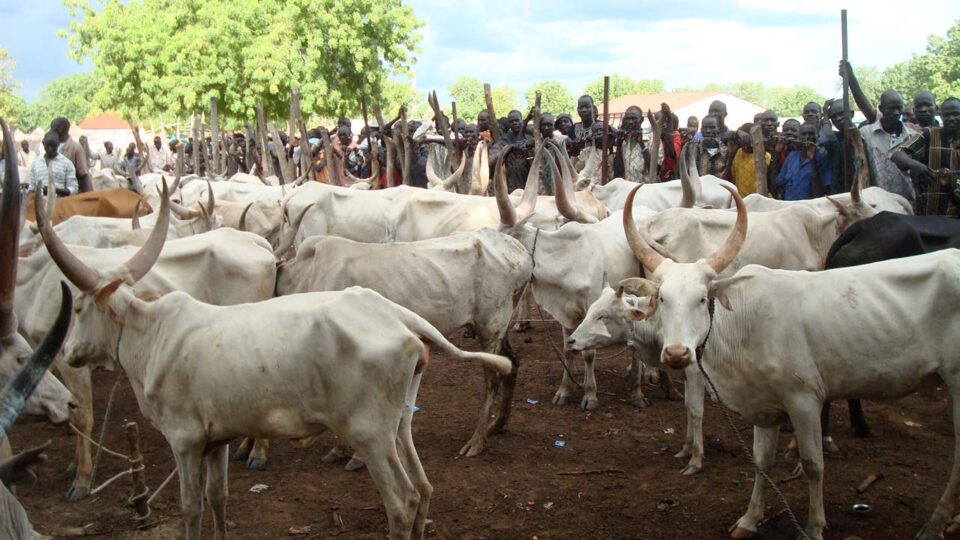
The framework also places emphasis on strengthening meat processing and distribution systems. Modern cold-chain infrastructure and improved logistics networks could help reduce post-harvest losses, maintain product quality, and improve market access. Moving towards processed meat distribution rather than long-distance transportation of live animals would further enhance efficiency and support the development of a more structured livestock value chain.
As collaboration between government institutions and private sector stakeholders continues to grow, Nigeria’s livestock industry is increasingly being positioned as a key driver of employment creation, food security, rural development, and economic diversification.
With targeted investments, supportive policies, and ongoing innovation, the sector is well placed to become one of the country’s most important agricultural growth engines in the years ahead.
