


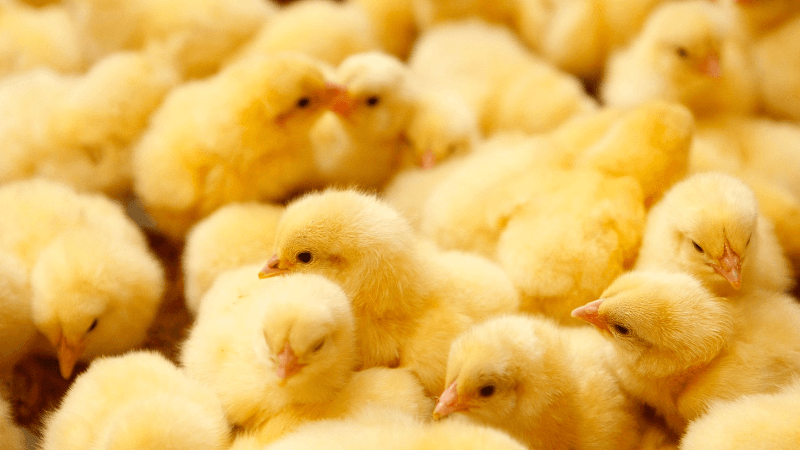
Weekly chick production in Morocco fell by around 40%, from approximately 12.5 million during the summer to nearly 7.5 million in October, Mustapha Mountassir, president of Morocco’s National Association of Poultry Meat Producers, has revealed in an interview with Assahraa Al Maghribia, a local publication.
The decline has gradually tightened poultry supplies, contributing to the subsequent price increase, Mountassir said. For example, he said, at the Casablanca wholesale poultry market, broiler prices climbed to MAD22.50/kg (€2.08/kg) on 26 October, up from MAD17–17.50/kg (€1.57–1.62/kg) in mid-September – an increase of around 30% in 6 weeks.
Many farms driven out of business
The poultry industry in Morocco has suffered serious losses over the past several months. “Between April and September, poultry prices remained at levels that in many cases failed to cover production costs, resulting in repeated losses for farmers,” Mountassir said.
“Producers had been counting on the summer season to offset some of those losses, thanks to the usual increase in consumption during the wedding and family celebration season and the return of Moroccans living abroad,” Mountassir said, admitting that those hopes did not materialise.
Mountassir also revealed that farmers opted to keep production running during the Eid al-Adha period, when the traditional poultry trade typically slows down, in an attempt to recoup some of the losses accumulated in previous months. However, maintaining high output at a time of seasonally weaker demand only added to the market glut, making the entire market situation even worse.
The downturn also affected the sector further upstream. With chick prices falling to as low as MAD0.30–0.50 each (€0.03 to €0.05), some hatcheries opted to sell their breeding hens earlier than planned to limit losses, Mountassir added.
Market coming to balance
However, industry representatives expect production to gradually stabilise, and amid higher prices, some farms to gradually return to operation.
Mountassir said he expected prices to begin easing gradually from December 2026 as chick production and poultry supplies recover. He also noted that the downward pressure could intensify in January and February 2027, ahead of Ramadan, when poultry demand traditionally rises. He emphasised that a return to higher production levels would be key to restoring market balance.
