
Australia’s poultry industry is on heightened alert after the highly pathogenic H5N1 avian influenza virus was detected in a second state, prompting authorities to intensify surveillance and strengthen biosecurity measures to protect the country’s commercial poultry sector.
For many years, Australia remained the only continent free from mainland outbreaks of the highly pathogenic H5N1 strain. That status is now under increasing pressure following the detection of infected migratory birds in South Australia, just days after the country’s first confirmed mainland cases were reported near Esperance in Western Australia.
The latest findings have triggered a coordinated national response aimed at preventing the virus from spreading from wild bird populations into commercial poultry farms.
Intensified Surveillance
Animal health authorities have expanded monitoring programmes across high-risk regions, particularly along coastal areas where migratory birds gather during seasonal movements.
In South Australia, surveillance teams are conducting field inspections and drone surveys around sensitive wildlife habitats, including sea lion breeding colonies, while increasing testing in areas considered most vulnerable to further incursions.
Meanwhile, authorities in Western Australia continue investigating reports of sick and dead birds, collecting samples from multiple locations to determine whether the virus remains confined to isolated wildlife cases or poses a broader threat.
Protecting the Poultry Industry
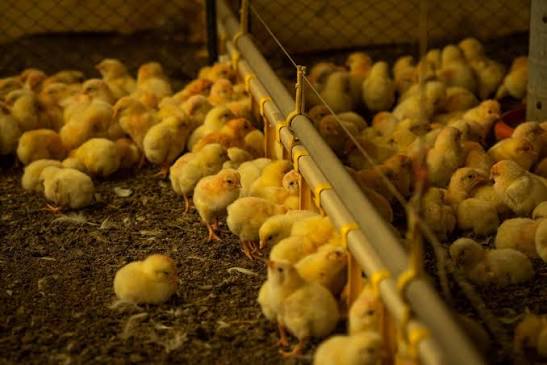
Although the discovery of H5N1 has raised concerns, officials have confirmed there is currently no evidence that the virus has entered Australia’s commercial poultry industry.
Authorities have also reassured consumers that poultry meat and eggs remain safe to eat when properly handled and cooked.
Agriculture Minister Julie Collins said the current risk to public health remains low, while emphasising that authorities continue to closely monitor the evolving situation.
Globally, H5N1 has caused devastating losses to poultry industries, resulting in the culling of millions of birds and significant disruptions to egg and poultry meat supplies. Preventing similar outbreaks in Australia remains a top priority.
Economic and Trade Implications
Beyond animal health, the emergence of H5N1 also highlights the importance of strong agricultural biosecurity for protecting export markets.
Following the initial detections, Papua New Guinea, Australia’s largest export market for poultry products, temporarily suspended imports of Australian poultry and related products. Although most restrictions have since been lifted, the incident demonstrated how quickly disease outbreaks can affect international trade.
Papua New Guinea imported approximately A$44 million worth of Australian poultry products in 2023, underlining the economic importance of maintaining Australia’s disease-free commercial poultry status.
Biosecurity Preparedness
Australia has spent years preparing for the possible arrival of highly pathogenic avian influenza through strengthened farm biosecurity protocols, expanded surveillance of migratory birds, vaccination programmes for vulnerable wildlife species, and regular outbreak simulation exercises.
Those preparations are now being tested as authorities work to contain the virus before it reaches commercial poultry operations.
Industry experts say the coming weeks will be critical. If the virus remains confined to isolated wildlife populations, the impact on poultry production is expected to be limited. However, any spread into commercial flocks could result in movement restrictions, export disruptions, and substantial financial losses for producers.
Vigilance Remains Critical
Authorities are urging poultry producers, wildlife organisations, veterinarians, and the public to remain vigilant and report any unusual bird deaths or signs of illness immediately.
While Australia’s commercial poultry industry remains unaffected, the detection of H5N1 in a second state serves as a reminder of the vital role that surveillance, early detection, and strong biosecurity systems play in protecting livestock industries, safeguarding food security, and maintaining confidence in agricultural trade.
