


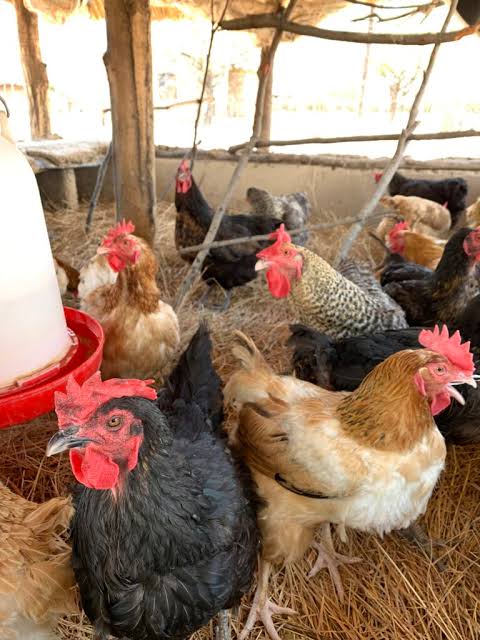
Zimbabwe’s rural poultry sector is gaining momentum as Hamara continues expanding access to dual-purpose chickens beyond its partnership with the World Poultry Foundation (WPF), highlighting the role of local businesses in sustaining improved poultry production and creating income opportunities for smallholder farmers.
Hamara has played a significant role in developing Zimbabwe’s dual-purpose poultry value chain, helping rural farmers access birds that can provide both meat and eggs while opening opportunities to earn income from poultry farming.
The company’s work was supported through WPF’s Poultry Multiplication Initiative, a programme that helped strengthen Hamara’s field operations, marketing and distribution systems as it expanded its reach among rural poultry producers.
The initiative supported the development of the supply chain needed to make improved dual-purpose birds more accessible to rural communities, connecting poultry businesses with smallholder farmers and creating opportunities for growth across the sector.
Unlike specialised commercial broilers or layers, dual-purpose chickens are bred to provide both meat and eggs. They can suit lower-input rural production systems, where households may have limited access to commercial feed and intensive poultry infrastructure. Their ability to serve different household and market needs makes them relevant to small-scale farmers seeking both food and additional income.
Hamara’s continued involvement beyond WPF funding points to the importance of building commercially sustainable poultry systems rather than relying solely on time-limited development projects. A functioning value chain depends on reliable chick supply, farmer awareness, practical training and market connections that can continue supporting producers after external programme assistance ends.
The broader poultry multiplication model links hatcheries with specialised brooder units and small-scale farmers. Brooder operators raise chicks during their early weeks before selling them to farmers, helping improve chick care and distribution into rural areas. The approach also creates business opportunities at different stages of the poultry value chain.
For Zimbabwe, the model offers a route to strengthening rural poultry production while supporting household access to animal protein. Farmers can raise birds for home consumption and sell surplus chickens or eggs, potentially diversifying income sources in communities where agricultural livelihoods are exposed to changing market and production conditions.
However, the long-term performance of improved birds still depends on appropriate feeding, vaccination, housing and day-to-day flock management. Reliable distribution and farmer support remain important to ensure that access to improved genetics translates into productive, healthy flocks.
Hamara’s continued work illustrates how private-sector participation can help sustain poultry development after donor-funded support concludes. For Zimbabwe and other African markets, the challenge is to maintain dependable chick supply, practical farmer services and viable routes to market so that improved poultry can deliver lasting benefits for rural households.
