
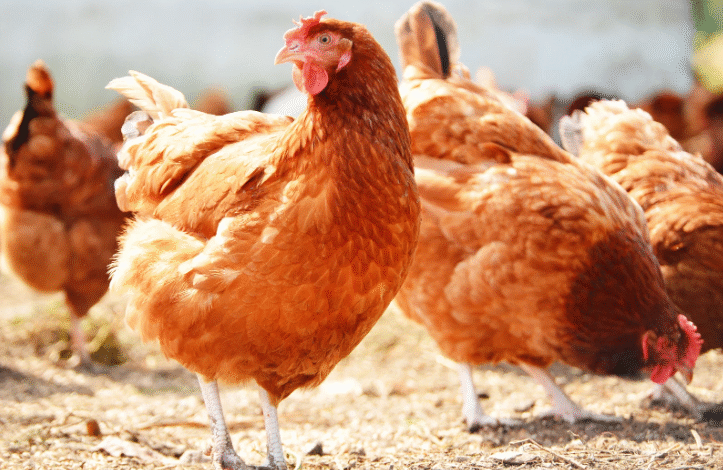
Poultry consumption in Morocco has reached a record 23.6 kilograms per capita annually, marking the highest level recorded in the past 15 years. This milestone reflects a steady upward trend driven by population growth, rapid urbanisation, and evolving dietary preferences across the country.
As urban lifestyles expand, consumers are increasingly shifting toward convenient, affordable, and protein-rich food sources. Poultry has emerged as the preferred choice for many households, particularly due to its lower cost compared to red meat and its broad accessibility across income groups.
Poultry becomes a key pillar of food consumption
Once considered a secondary protein source, poultry meat now plays a central role in Moroccan diets. Its affordability, versatility, and consistent availability have positioned it as a staple food item in both urban and rural households.
This shift in consumption patterns is also strengthening Morocco’s broader agricultural economy, while reinforcing poultry’s importance in supporting national food security amid global price volatility and supply chain disruptions.
Expanding production capacity and modernisation
The rising demand has been matched by significant improvements in production systems. Poultry farmers and industry stakeholders have increasingly adopted modern practices, including:
- Improved breeding techniques
- Enhanced biosecurity measures
- More efficient feed management systems
These advancements have boosted productivity, improved product quality, and strengthened food safety standards across the sector.
Investments in processing facilities and cold chain logistics have also expanded market reach, ensuring that poultry products are delivered fresh and safely, even to remote regions.
Economic impact and job creation
The poultry sector has become a major contributor to Morocco’s agricultural economy, supporting a wide value chain that includes feed production, hatcheries, farming operations, transport, processing, and retail distribution.
This growth has generated thousands of jobs and created opportunities for farmers, entrepreneurs, and service providers. It has also encouraged further investment and innovation within the livestock industry.
Key challenges facing the sector
Despite its strong growth trajectory, the industry continues to face several challenges. The most significant is the high cost of feed, which represents a large share of production expenses. Dependence on imported raw materials such as maize and soybeans exposes producers to global price fluctuations.
Environmental pressures, including drought and rising temperatures, also present risks to production stability—particularly in water-scarce regions. Addressing these challenges will require increased investment in local feed production and the adoption of climate-resilient farming systems.
Outlook: strong growth potential ahead
The outlook for Morocco’s poultry industry remains highly positive. Ongoing investment in technology, infrastructure, and local resource development is expected to sustain growth momentum.
As consumers continue to prioritise affordable and nutritious protein sources, poultry is likely to remain a cornerstone of Moroccan diets. The record consumption levels not only reflect current market strength but also highlight significant potential for continued expansion in the years ahead.
In the broader context of global agriculture, Morocco’s poultry sector stands out as a strong example of resilience, adaptation, and long-term opportunity.
