


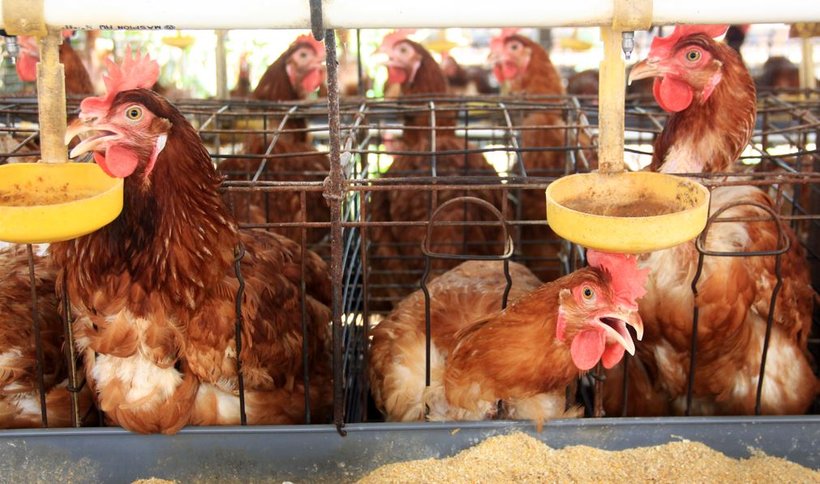
Egg production across many parts of Africa takes place under high temperatures and challenging environmental conditions. Heat stress can reduce feed intake, lower egg production, weaken shell quality, and negatively impact overall flock health. However, strong performance is still achievable when the right combination of genetics and management practices is applied.
Building the Right Genetic Foundation
Successful layer production in hot climates starts with selecting birds that are naturally resilient. LOHMANN BREEDERS has developed breeding programs specifically designed for diverse African environments, from North Africa to sub-Saharan regions.
By testing genetic lines in open housing systems and under demanding conditions, only the most robust birds are selected. This approach improves key traits such as:
- Persistence in egg production
- Feed efficiency
- Livability
- Overall resilience to heat stress
These genetic advancements play a crucial role in maintaining productivity even under extreme conditions.
Housing and Ventilation: Controlling Heat
Housing design is essential for reducing heat stress. While closed, climate-controlled systems offer ideal conditions, they are often too costly, making open housing systems more common.
To improve conditions in hot climates:
- Keep house width around 12 meters
- Maintain roof height of 2 meters at the sides and 3.5 meters at the center
- Include roof openings to allow hot air to escape
- Use a roof overhang (about 1.2 meters) to block direct sunlight
Additional strategies include:
- Insulating roofs
- Orienting buildings east to west
- Ensuring unobstructed airflow
- Installing fans to improve air circulation
Proper spacing between poultry houses also helps reduce heat buildup.
Rearing: Setting the Foundation Early
Good results begin during the brooding and rearing stages. At chick placement:
- Floor systems should be around 36°C
- Cage systems around 35°C
- Relative humidity should be at least 60%
Monitoring growth is critical. Weekly body weight checks ensure birds are developing correctly. If birds fall below target weight, farmers should:
- Use more nutrient-dense feed
- Adjust feed composition
- Extend lighting duration where necessary
Achieving uniform body weight across the flock is key for consistent performance later.
Feeding Strategies Under Heat Stress
High temperatures reduce feed intake, so diets must be adjusted to maintain nutrient levels.
Key practices include:
- Adding at least 1% oil to feed to increase energy density
- Adjusting feed phases based on body weight rather than age
- Feeding during cooler times of the day
A practical feeding schedule:
- 30% of feed in the morning
- 50% in the afternoon
This helps birds consume more feed when temperatures are lower, reducing heat stress from digestion.
Lighting and Flock Management
Lighting programs play a vital role in bird development and behavior.
Recommended approach:
- First 7–10 days: alternating light schedule (4 hours light / 2 hours dark)
- Gradually reduce to 10–12 hours of light
Continuous 24-hour lighting, sometimes practiced, is not advisable. It can:
- Increase stress
- Reduce weight gain
- Lead to behavioral issues such as pecking and cannibalism
Balanced lighting supports healthier and more productive flocks.
Conclusion
Hot climates present real challenges for egg production, but they do not have to limit success. With the right genetics and well-managed systems, farmers can maintain strong productivity even under high temperatures.
By combining robust breeding with practical management strategies, LOHMANN BREEDERS continues to support producers in achieving sustainable and profitable egg production—ensuring the right hen for every environment and management system.
