
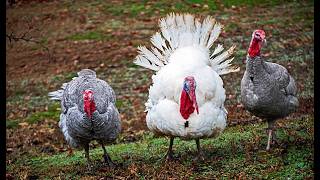
While many farmers are familiar with raising chickens, fewer realise that turkey farming is emerging as one of the fastest-growing opportunities in the poultry sector. Demand for turkey meat continues to increase in households, restaurants, hotels, and catering for special events. As a result, many farmers are beginning to explore turkey production as a way to diversify their operations and improve farm income.
Turkey meat is often considered a premium poultry product because of its rich flavour and high nutritional value. This typically allows producers to achieve higher market prices compared with conventional poultry such as chicken. However, like any livestock enterprise, success in turkey farming depends on proper planning, management, and understanding of the birds’ specific requirements.
A key factor in successful turkey production is choosing the right breed. Different turkey varieties are suited to different purposes, with some breeds better for meat production and others capable of producing both meat and eggs. Farmers must also consider climate conditions and the farming environment when selecting the most suitable birds for their operations.
Another important step is sourcing healthy poults, or baby turkeys. Starting with strong, healthy birds greatly improves the chances of success. Farmers need to look for active poults with bright eyes and good body condition, while avoiding birds that appear weak or show signs of illness. Care must also be taken when transporting young birds to minimise stress and prevent losses.
Providing suitable housing and maintaining good biosecurity are also critical. Turkey houses should be designed to provide adequate space, proper ventilation, and protection from predators and extreme weather. Maintaining strict hygiene practices and controlling pests can help prevent the spread of diseases that could otherwise impact productivity.
Effective brooding and growth management is particularly important during the early stages of a turkey’s life. Young poults require carefully controlled temperatures, good-quality feed, and consistent daily care to ensure proper development. As the birds grow, farmers may transition them into free-range or deep-litter systems depending on their production model.
Nutrition also plays a central role in achieving good production results. Turkeys require balanced feeding programmes that meet their nutritional needs at different growth stages. Monitoring the birds’ weight and growth helps farmers ensure they reach the desired market size within the expected time frame.
Maintaining flock health is another key priority. Farmers need to be able to recognise early signs of common poultry diseases and respond quickly with appropriate treatments or veterinary advice. Preventative measures such as vaccination programmes and regular deworming can help maintain healthy birds and reduce potential losses.
When birds reach market size, proper finishing and processing practices help ensure good-quality meat for consumers. Maintaining hygiene during slaughter and handling, as well as proper packaging and storage, is essential for delivering a safe and appealing product to the market.
Marketing is equally important in making turkey farming profitable. Producers who identify reliable buyers — such as restaurants, hotels, butcheries, and event caterers — can build strong and consistent markets for their products. Demand for turkey meat often increases during festive seasons and special events, offering farmers valuable opportunities to boost sales.
With increasing demand for alternative poultry products, turkey farming presents promising opportunities for farmers looking to diversify their poultry enterprises. By focusing on proper management, good nutrition, strong biosecurity, and effective marketing, producers can position themselves to benefit from this growing segment of the livestock industry.
