


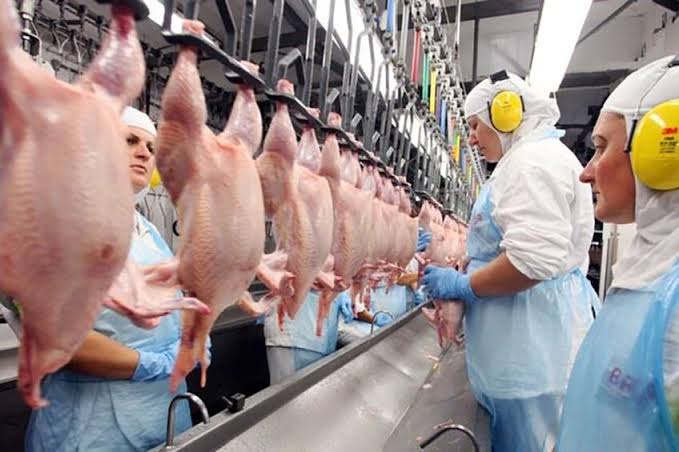
Brazil’s poultry export industry is facing fresh trade disruptions after authorities confirmed an outbreak of Newcastle disease at a commercial turkey farm, prompting shipment suspensions and import restrictions in several international markets, including Malaysia, China and Mexico.
The outbreak was detected on October 19 at a commercial turkey production facility in Nova Itaberaba, in the southern Brazilian state of Santa Catarina. Following confirmation of the disease, the facility was closed and the movement of birds was suspended as authorities moved to contain the infection.
Brazil, the world’s largest chicken meat exporter, has since taken measures to limit the impact on its international poultry trade. According to a report by The Straits Times, the country halted poultry shipments to Malaysia and initially suspended shipments to China under an agreed animal-health protocol.
However, subsequent negotiations between Brazil and China resulted in the restrictions on Chinese imports being limited to Santa Catarina rather than extending to the entire country. The development helped prevent a broader disruption to Brazil’s poultry exports.
Mexico also suspended imports of Brazilian poultry following the outbreak, adding to the pressure on exporters as authorities work to contain the disease and reassure international trading partners.
Other markets have adopted narrower restrictions. Brazil restricted shipments originating from Santa Catarina to Kazakhstan and Chile in accordance with their respective sanitary agreements. Some other countries, including Argentina, South Africa, Saudi Arabia, the United Kingdom and South Korea, have imposed restrictions limited to processing plants located near the affected farm.
Disease outbreak raises concerns over export markets
Newcastle disease is a highly contagious viral infection that affects birds, including poultry. It can damage birds’ respiratory, digestive and nervous systems, making it a serious concern for commercial producers and animal-health authorities.
The outbreak has renewed concerns about the vulnerability of Brazil’s poultry export industry to animal-disease restrictions, particularly when major importing countries respond by suspending shipments.
Brazil’s Santa Catarina state is an important poultry-producing region. It accounted for approximately 23 per cent of the country’s chicken exports during the first nine months of 2026, making the geographic scope of trade restrictions particularly significant.
The scale of the impact will depend on how quickly authorities contain the outbreak and how long importing countries maintain their restrictions. Exporters could face additional costs if shipments need to be redirected to alternative markets or if access to major destinations remains restricted.
China is particularly important because it is Brazil’s largest poultry buyer. Restrictions affecting the entire country could have far-reaching consequences for producers, processors and exporters.
Authorities intensify containment efforts
Brazilian agricultural authorities have introduced containment measures and are maintaining communication with international animal-health officials to provide information about the outbreak and the steps being taken to control it.
The country’s Agriculture Ministry has also indicated that sanitary authorities will monitor approximately 133 properties in Nova Itaberaba and three neighbouring municipalities as part of efforts to assess and contain the risk.
Brazilian poultry industry representatives have said that the country has established animal-health surveillance, prevention and response procedures for dealing with outbreaks. Industry representatives have also stated that the affected products do not pose a food-safety risk to consumers.
Nevertheless, importing countries continue to apply their own sanitary requirements when deciding whether to permit poultry products from affected areas or suspend trade temporarily.
The outbreak comes as Brazil continues to protect its position in international poultry markets, where animal-health standards and confidence in disease-control systems are important factors in maintaining access.
The immediate priority for Brazil is to contain Newcastle disease and demonstrate that its poultry production system remains under control. The duration and geographic reach of trade restrictions will determine how significantly the outbreak affects exporters, while the successful containment of the infection could help limit longer-term disruption to one of the world’s most important poultry industries.
