
Indonesia’s veterinary vaccine industry is expanding into Africa, with Vaksindo Satwa Nusantara launching its first exports to four African countries in a move that could widen access to poultry disease-control products and strengthen the continent’s animal health supply chain.
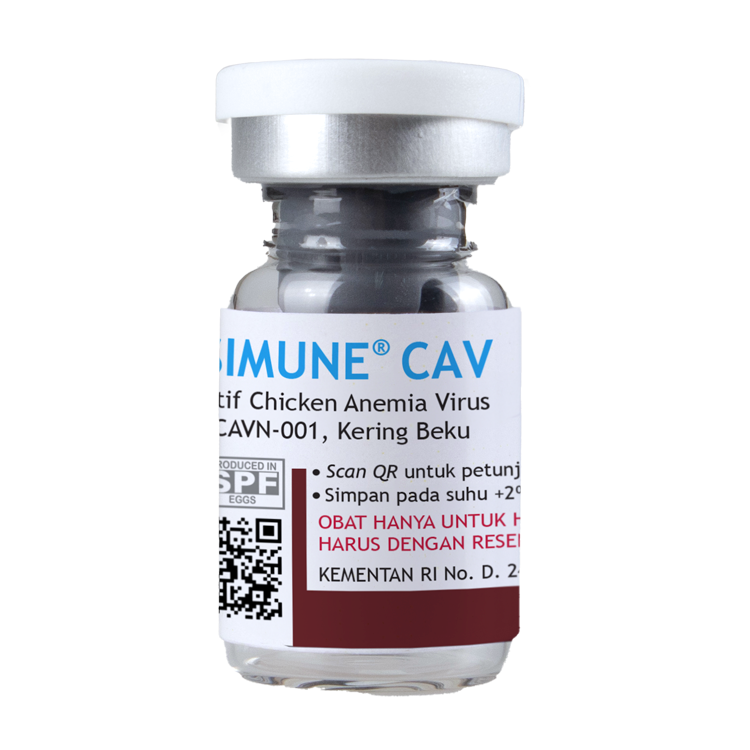
The company began its first African shipments on September 24, 2026, sending 10 poultry vaccine products to Zambia, the Democratic Republic of the Congo (DRC), Uganda and Malawi. The exports mark a new phase in Vaksindo’s international expansion and its efforts to bring research-based animal health solutions to additional livestock markets.
The vaccines are intended to support the prevention and control of important poultry diseases, which can affect flock survival, production performance and the reliability of chicken and egg supplies. Disease management remains a major concern for poultry producers, particularly where outbreaks can disrupt production and increase costs for farmers.
Vaksindo’s entry into Africa builds on its experience supplying veterinary health products to more than 25 countries across Asia, the Middle East and Latin America. The company is now extending that international network into a continent where poultry production is expanding but access to reliable veterinary products and services remains uneven.
The first export milestone was attended by representatives of Indonesia’s Ministry of Agriculture, including Dr Agung Suganda, Director General of Livestock and Animal Health, and Dr Wibawa, Director of Animal Health. Other participants included Arif Wicaksono, a coordinator within the Directorate of Animal Health’s animal health product supervision unit.
Representatives from West Java’s provincial food security and livestock agency, the Bogor Regency Fisheries and Livestock Agency, Japfa Group, Vaksindo and Agrinusa Jaya Santosa also attended the event.
The participation of Indonesian government officials reflects the role of regulatory oversight and public-private collaboration in supporting veterinary vaccine development and international trade. For importing countries, product registration, quality assurance and compliance with veterinary requirements are essential considerations when introducing vaccines into domestic disease-control programmes.
The African poultry sector faces a range of health challenges, including Newcastle disease and avian influenza, alongside other infectious conditions that can reduce productivity and threaten farm profitability. Vaccination can form an important part of disease prevention, but its effectiveness depends on appropriate vaccine selection, correct administration, surveillance, biosecurity and access to veterinary advice.
The arrival of additional vaccine suppliers could create further options for African markets, although the practical impact will depend on the products’ registration status, distribution arrangements, affordability and suitability for local disease conditions. Reliable cold-chain handling and farmer access to trained animal health professionals will also be important in ensuring that vaccines maintain their quality and are used correctly.
For poultry businesses in Zambia, the DRC, Uganda and Malawi, the shipments represent a potential new source of disease-prevention products. The four countries have different poultry production systems and regulatory requirements, meaning that local authorities and industry stakeholders will play an important role in determining how the products can be introduced and used.
Vaksindo’s expansion also highlights the growing international trade in veterinary products as manufacturers seek opportunities beyond their established markets. For African poultry producers, stronger access to quality vaccines can contribute to more resilient production systems when supported by effective national animal health strategies.
Vaksindo’s first exports to Africa mark a new connection between Indonesia’s animal health industry and four African poultry markets. The long-term value of the expansion will depend on dependable distribution, regulatory compliance and effective vaccination practices that help farmers protect their flocks, reduce disease-related losses and sustain poultry production.
