
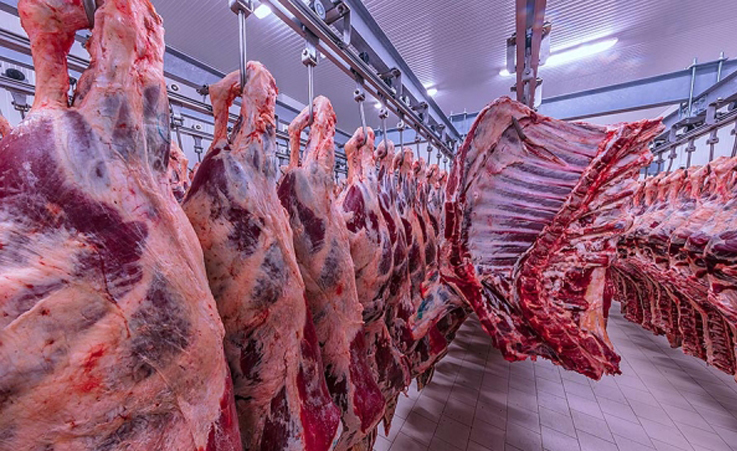
Agriculture remains one of the most important sectors of Namibia’s economy, supporting livelihoods, employment, and food security for a large portion of the population. More than 70% of Namibians depend directly or indirectly on agriculture for income and sustenance, while the sector contributes approximately 5% to the country’s Gross Domestic Product (GDP). Livestock production forms the backbone of Namibia’s agricultural industry, with cattle farming playing a particularly significant role alongside sheep, goats, poultry, crop farming, and charcoal production. Despite ongoing challenges such as drought, rising production costs, and the long-term effects of the COVID-19 pandemic, Namibia’s beef industry continues to demonstrate resilience and strong export potential.
One of Namibia’s greatest strengths within the livestock sector is its well-established veterinary and regulatory framework. Institutions such as the Directorate of Veterinary Services and the Livestock and Livestock Product Board play a critical role in maintaining animal health standards, disease monitoring, and export compliance. These governance systems have helped Namibia secure access to premium international beef markets. A significant competitive advantage for Namibia is that most of its cattle production occurs within a Foot-and-Mouth Disease (FMD)-free zone, allowing the country to export beef to high-value markets including the European Union, the United Kingdom, and the United States. At the same time, Namibia continues exploring opportunities in emerging markets such as China, the Middle East, West Africa, and Mauritius. The country’s reputation for high-quality, naturally raised beef continues strengthening its position within the global meat industry.
Namibia’s extensive rangelands are particularly suitable for livestock farming. Most cattle are raised on natural grazing systems with minimal feed supplementation, contributing to the production of lean, high-quality beef products increasingly valued in export markets. The industry has also invested in breeding programmes aimed at improving genetics, meat quality, and herd productivity. These initiatives are helping position Namibian beef as a competitive product internationally while supporting long-term sector growth.
Despite its strengths, Namibia’s agricultural sector continues facing several structural and environmental challenges. Communal farming areas often struggle with limited access to modern farming technology, inadequate agricultural knowledge and training, restricted access to finance, shortages of land and farming inputs, and high production costs. Farmers in remote regions frequently face difficulties achieving optimal productivity levels due to limited infrastructure and technical support services. In addition, the slow implementation of support programmes such as drought relief initiatives has further constrained agricultural development in some areas and contributed to increased rural-to-urban migration.
Like many African agricultural economies, Namibia’s livestock industry remains highly vulnerable to climate variability and environmental pressures. Recurring droughts are among the biggest threats to cattle farming, often leading to reduced grazing availability, water shortages, lower herd productivity, and increased animal losses. Environmental concerns such as land degradation caused by overgrazing and population pressure on rangelands continue affecting sustainability. Livestock diseases also pose serious risks to the beef sector, with farmers particularly vulnerable to outbreaks of Foot-and-Mouth Disease and Lumpy Skin Disease, both of which can disrupt production and negatively impact export opportunities. Furthermore, global economic instability and rising fuel prices linked to international geopolitical tensions have increased transportation and production costs across the agricultural sector.
Despite these obstacles, Namibia’s beef industry still holds significant long-term growth potential. As a net exporter of beef, the country is well positioned to benefit from growing global demand for premium-quality meat products. Expanding trade agreements and stronger regional partnerships continue creating new market opportunities for Namibian producers. Industry stakeholders believe greater investment in local livestock feed production, veterinary medicine manufacturing, water and electricity infrastructure, rangeland restoration, affordable financing, and market access will be essential for strengthening sustainability and competitiveness.
Namibia’s beef industry remains one of the country’s most valuable agricultural assets. While climate risks, disease outbreaks, and production challenges continue affecting the sector, Namibia’s strong export reputation, natural grazing systems, and established veterinary standards provide a solid foundation for future growth. With strategic investment, improved farmer support, and continued market expansion, the country has the potential to further strengthen its position as one of Africa’s leading premium beef exporters.
