

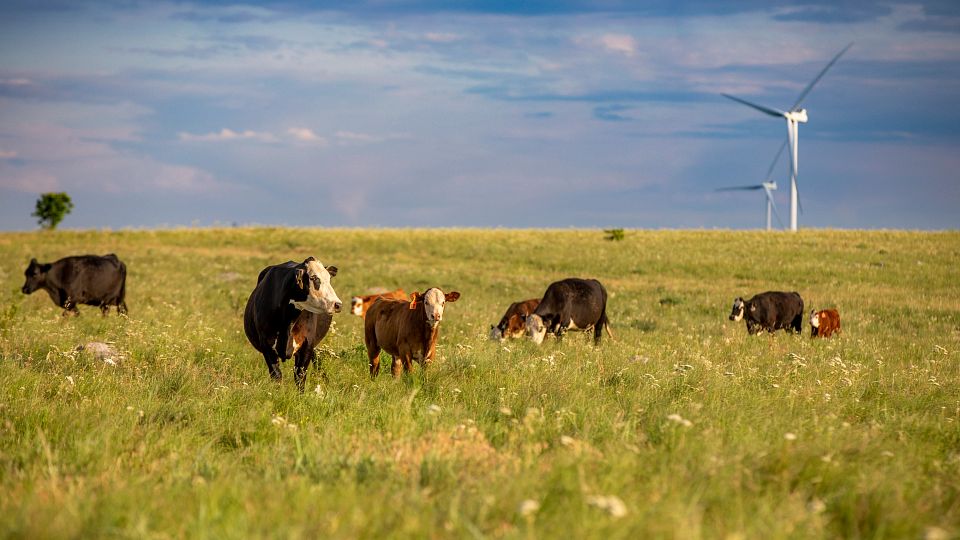
The steady development of the beef cattle herd in Oklahoma continues to position the state as one of the leading cattle producers in the United States. As of 1 January 2026, Oklahoma’s beef cow inventory reached approximately 1.97 million head, representing a 0.4% year-on-year increase and reinforcing its status as the second-largest beef cow state after Texas.
The state has consistently held this second position for the past 12 years, remaining ahead of Missouri in national rankings. According to recent livestock data, Oklahoma’s beef herd is currently 8.9% larger than Missouri’s, and since 2015 it has averaged 4.2% higher than its neighbour.
Long-term herd growth
Over the past 25 years, Oklahoma’s beef cow population has averaged 1.99 million head, reflecting the state’s strong cattle production base and well-established ranching industry. During this period, herd numbers have fluctuated in response to climate cycles and market conditions, with a low of 1.69 million head in 2013 and a peak of 2.17 million head in 2021.
The state’s share of the national herd has also steadily increased. Today, Oklahoma accounts for 7.1% of the total U.S. beef cow population, compared with an average of 6.5% over the past quarter century. Historically, from the 1960s through the 1990s, the state contributed around 5.7% of the national herd, highlighting the long-term growth of its cattle sector.
Climate pressures and recovery
Weather patterns, particularly drought, have played a significant role in shaping herd trends. Between 2010 and 2013, severe drought conditions caused Oklahoma’s beef cow herd to decline by more than 18%.
However, herd recovery began in 2014, slightly ahead of the broader cyclical rebound in the national cattle industry. More recently, from 2021 to 2024, the state experienced another 11% decline in herd numbers, largely linked to ongoing dry conditions and rising feed costs.
Encouragingly, the herd began to expand again in 2025 and 2026, even as the overall U.S. beef cow inventory continued to decline.
Lessons for Africa’s cattle industry
While the data reflects trends in the United States, the growth and resilience of Oklahoma’s cattle sector offers valuable insights for African livestock-producing nations such as South Africa, Namibia and Botswana.
These countries are also working to expand beef production while managing climate risks, improving breeding programmes and strengthening export markets. Investments in herd genetics, pasture management and drought resilience — similar to strategies adopted in major cattle-producing regions like Oklahoma — could play a key role in supporting sustainable growth across Africa’s livestock sector.
With global demand for beef continuing to rise, African producers are increasingly looking to modern livestock management systems and international best practices to boost productivity and competitiveness in both regional and export markets.
