


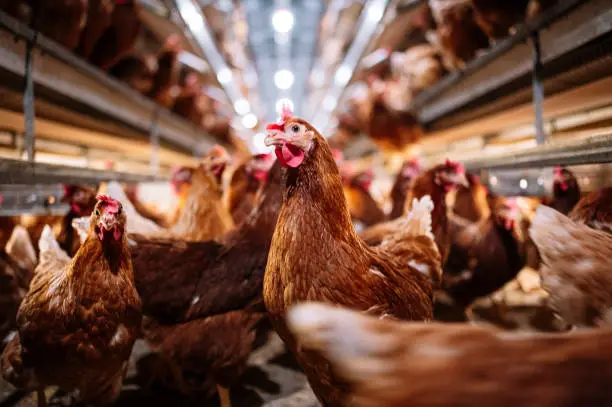
MoorBeta chicken is emerging as a significant innovation in Nigeria’s poultry sector, reflecting ongoing efforts to strengthen local livestock breeds through scientific research and strategic agricultural development. Developed over several years, MoorBeta combines desirable traits from both indigenous and improved chicken breeds, resulting in a hardy and adaptable bird suited to Nigeria’s diverse farming conditions.
One of the defining features of MoorBeta is its ability to thrive across different environments. Whether in humid coastal regions or drier inland areas, the breed maintains consistent performance, making it especially valuable for smallholder farmers who often face unpredictable weather and limited resources. This adaptability allows farmers to sustain production levels regardless of location or climate challenges.
In addition to its resilience, MoorBeta is known for its fast growth rate. The bird reaches market weight within a relatively short period, enabling farmers to generate quicker returns on investment. Its efficient feed conversion further enhances profitability, as farmers can achieve strong growth while spending less on feed. Coupled with high survival rates, these traits significantly reduce production risks and improve overall farm efficiency.
MoorBeta also meets consumer expectations in the Nigerian market. Its meat is widely regarded as tender and juicy, with good cooking quality and minimal shrinkage. These attributes make it appealing to consumers who prioritize taste and value. Furthermore, the bird’s body structure supports a higher meat yield, offering added benefits for both producers and buyers.
Another important advantage is the breed’s tolerance to heat stress. High temperatures are a common challenge in many parts of Nigeria, often affecting poultry health and productivity. MoorBeta’s ability to withstand such conditions ensures stable performance, lower mortality rates, and more reliable production cycles throughout the year. This resilience is particularly beneficial for farmers operating in regions with consistently warm climates.
From an economic perspective, MoorBeta presents strong opportunities for both small-scale and commercial poultry producers. Its improved growth performance, feed efficiency, and survivability contribute to higher profitability within a single production cycle. As a result, the breed has the potential to attract more individuals into poultry farming, supporting job creation and boosting rural livelihoods.
However, the introduction of improved breeds like MoorBeta has also sparked conversations around agricultural biotechnology in Nigeria. While many stakeholders see such innovations as essential for improving food security and productivity, others have raised concerns about safety and long-term impacts. These differing viewpoints underscore the need for continued research, effective regulation, and increased public awareness to ensure responsible adoption.
Overall, MoorBeta represents a major advancement in Nigeria’s poultry industry. By aligning improved genetics with the practical needs of farmers, it offers a reliable pathway to increased productivity, higher incomes, and enhanced food security. As its adoption expands, MoorBeta has the potential to reshape poultry farming and contribute meaningfully to the country’s agricultural development.
