
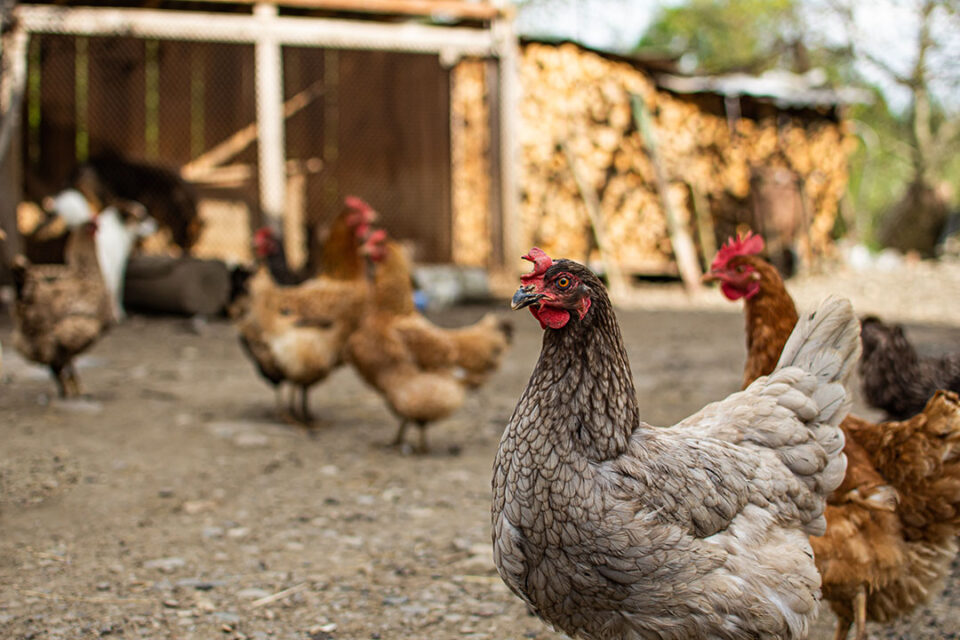
Namibia Agricultural Union (NAU) has reported sustained expansion in Namibia’s poultry sector, positioning it as the second-largest contributor to farmers’ cash income in the country. In its latest Annual Report, the union projects continued growth supported by new investments, firm regulatory enforcement, and strengthening value chains. However, it cautions that high input costs, climate variability, and animal health risks could pose challenges to long-term sustainability.
Production on the Rise
According to the report, broiler production increased by 14.94% in 2024, while egg production recorded a 6.63% rise. Momentum has continued into 2025, with more than 14.3 million chickens marketed during the first half of the year. This milestone is largely attributed to the performance of Namibia Poultry Industries (NPI) and the successful launch of Kadila Poultry.
Data from the Poultry Producers Association (PPA) shows increasing participation from small and medium-sized enterprises (SMEs), which collectively produce around 60,000 broiler chickens per week. The sector’s overall health status remains stable, with no immediate disease outbreaks reported.
Emerging Risks and Market Pressures
Despite this positive outlook, the egg production segment faces challenges linked to the importation of day-old chicks and point-of-lay layers. Additionally, the potential spillover of avian influenza outbreaks from neighbouring South Africa remains a significant concern. The NAU warns that underreporting of outbreaks across the border could expose Namibia’s poultry farms to substantial biosecurity risks.
Strengthening Institutional Collaboration
Throughout 2025, the poultry industry has worked closely with government institutions, particularly the Livestock and Livestock Products Board of Namibia (LLPBN). Regular meetings and strategic engagements have focused on improving sector governance. The implementation of levies is regarded as a critical mechanism to secure sustainable funding for the LLPBN, enabling stronger border controls and efforts to curb poultry smuggling.
Collaboration has also intensified with the Directorate of Veterinary Services (DVS), particularly in the development of an Avian Influenza Master Plan. The PPA has submitted industry proposals and is awaiting feedback to further enhance biosecurity systems nationwide.
The NAU further reported constructive discussions with the Namibia Investment Promotion and Development Board (NIPDB), where stakeholders explored innovative strategies to improve productivity and attract further investment into the poultry value chain.
Input Supply and Sustainability
Namibia currently imports approximately 50,000 tonnes of yellow maize annually to support poultry production, highlighting the industry’s reliance on feed imports. While the Green Scheme initiative in northern Namibia seeks to stimulate local crop production, dependency on imported maize remains a vulnerability. The NAU notes that expanding local cultivation of alternatives such as soybeans could enhance sustainability and reduce external dependence.
Outlook
Overall, the steady progress in Namibia’s poultry sector reflects strong industry coordination, regulatory engagement, and private-sector investment. While risks remain, the sector’s performance signals a resilient and increasingly strategic role within Namibia’s broader agricultural economy.
