
Across Africa, working dogs are far more than loyal companions — they are essential partners in agriculture. From guarding livestock and protecting homesteads to herding animals across vast landscapes, these dogs play a critical role in farm productivity and rural security. Yet in many remote areas, access to professional veterinary care is limited by cost, distance, or availability.
For farmers, this reality makes basic animal health knowledge not just helpful, but essential. Understanding common diseases, prioritising prevention, and being prepared to respond to illness or injury can make the difference between losing a valuable working partner and ensuring a long, productive life for these indispensable animals.
Prevention First: The Foundation of Canine Health
When veterinary services are not immediately accessible, prevention becomes the most powerful tool. A balanced, nutritious diet supports a working dog’s immune system and energy levels, particularly given the physically demanding nature of farm work. Clean, fresh water is equally critical, especially in regions experiencing high temperatures and prolonged heatwaves.
Shelter also plays a major role. As climate change drives rising temperatures across parts of Southern and Eastern Africa, protection from extreme heat, heavy rains, and cold nights becomes increasingly important. Proper housing reduces stress and lowers the risk of heat-related illness.
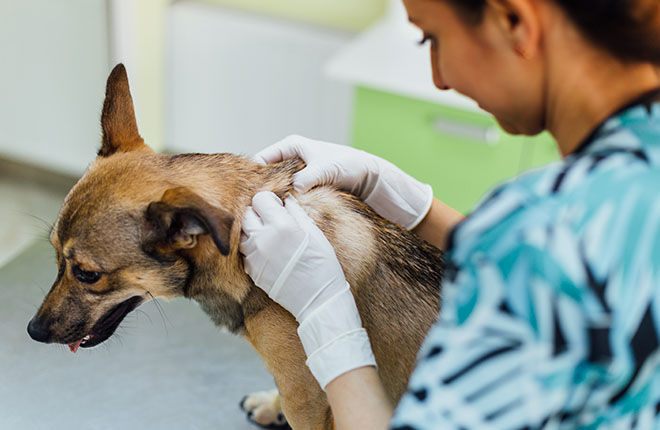
Routine grooming and physical checks are another essential practice. Regular inspection helps farmers identify ticks, skin infections, wounds, lumps, and early signs of disease. Dental care should not be overlooked — periodontal disease is common in dogs over three years old and can cause significant discomfort and systemic health issues if untreated.
Simple daily habits can provide strong protection against many common ailments.
Recognising Common Health Threats
Even with the best preventive care, illness can still occur. Farmers should closely monitor their dogs’ appetite, energy levels, behaviour, and physical appearance. Early detection significantly improves outcomes.
Tick-Borne Diseases
Ticks are among the most serious threats to working dogs in Africa. They not only affect livestock but can transmit dangerous diseases to dogs as well. Signs of tick-borne illness may include lethargy, fever, pale gums, loss of appetite, or gastrointestinal bleeding.
Removing ticks promptly is crucial. Fine-tipped tweezers should be used to grasp the tick close to the skin and remove it carefully. However, if severe symptoms appear, urgent veterinary consultation — even by phone — is strongly advised.
Worms and Internal Parasites
Internal parasites can weaken a dog gradually, reducing stamina and performance. Warning signs include weight loss despite normal eating, a dull coat, diarrhoea, scooting on the ground, or visible worms in stool or vomit. Some dogs may develop a swollen abdomen.
Maintaining clean surroundings, promptly removing waste, preventing dogs from consuming animal droppings, and ensuring access to clean water are key preventive measures. Routine deworming, when possible, is highly recommended.
Viral and Bacterial Infections
Vomiting and diarrhoea may signal infection and can quickly lead to dehydration, which is especially dangerous in hot climates. In mild cases, temporarily withholding food for 12–24 hours while continuing to provide water may help stabilise the dog. Bland foods can then be gradually reintroduced.
However, if symptoms persist beyond a day, worsen, or include blood, the situation should be treated as an emergency.
Building a Practical First-Aid Kit
Every farm that relies on working dogs should maintain a basic canine first-aid kit. Essential items include:
Antiseptic solution
Sterile saline solution
Gauze pads and bandages
Adhesive tape
Cotton balls and swabs
Scissors
Fine-tipped tweezers
Clean towels or blankets
These supplies allow farmers to clean wounds, control minor bleeding, remove ticks, and reduce the risk of infection.
Some farms also keep medications such as antihistamines or activated charcoal for emergencies, but these should only be used with veterinary guidance. Even when distance is a barrier, maintaining contact information for a veterinarian enables farmers to seek advice by phone when needed.
Understanding Dogs’ Natural Needs
Working dogs are not only physical labourers; they are social animals with deep evolutionary roots. Over thousands of years, dogs adapted alongside humans, developing the ability to digest starches and thrive in agricultural environments. Their biology reflects this long partnership.
Ancestral canids, such as wolves, live in structured social groups where cooperation and companionship are vital. Similarly, working dogs benefit from interaction — whether with other dogs or with humans — when off duty. Clear roles, consistent routines, and mental stimulation help prevent stress and destructive behaviour.
Healthy Dogs, Stronger Farms
A healthy working dog is an asset that strengthens farm operations. Energetic and alert dogs manage livestock more effectively, protect property from predators and theft, and reduce overall losses.
By focusing on prevention, early recognition of illness, basic first aid, and proper nutrition, farmers can safeguard their canine partners even when veterinary care is not immediately available.
In many rural communities across Africa, working dogs are part of both livelihood and heritage. Protecting their health ensures not only their well-being, but the resilience and success of the farms they serve.
