
Tunisia’s poultry industry has emerged as a vital sub-sector of the country’s agriculture, steadily developing over decades to support national food security and rural livelihoods. While Tunisia’s overall poultry output is smaller than that of regional powerhouses such as Egypt, South Africa, or Morocco, it plays a critical role in supplying affordable protein, particularly through eggs and broiler meat. This progress reflects the combined efforts of farmers, industry organisations, and government bodies to strengthen production, stabilise markets, and adapt to evolving domestic consumption patterns.
Central to Tunisia’s poultry landscape is its well-established egg production system, which has evolved significantly since the 1960s when industrial laying farms were first introduced. Over time, commercial layer operations have largely supplanted traditional backyard flocks, ensuring a consistent domestic egg supply. Today, Tunisia produces over two billion eggs annually, predominantly from professionally managed layer farms supported by numerous hatcheries that provide a reliable supply of day-old chicks. This comprehensive supply chain ensures year-round consumer access to eggs, helping stabilise prices and reduce dependence on imports.
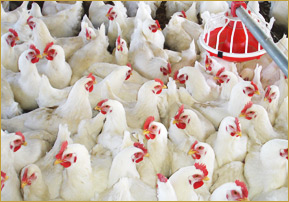
Poultry meat production, particularly broiler chicken, has also seen gradual growth, with producers expanding capacity to meet rising domestic demand for affordable animal protein. Annual output now exceeds 200,000 tonnes, reflecting modest but consistent year-on-year increases. This growth is underpinned by a network of commercial farms and processing units that have modernised operations, improved efficiency, and enhanced the overall reliability of the sector.
Despite these achievements, the industry faces several challenges. A large share of poultry feed ingredients is imported, exposing producers to global grain price fluctuations and currency volatility. These input cost pressures can translate into higher production costs and occasional retail price volatility for eggs and poultry meat. Additionally, sporadic price speculation and distribution inefficiencies sometimes create the perception of shortages, prompting government interventions and regulatory oversight to protect consumers and maintain fair pricing.
To support sustainable growth, industry associations and regulatory agencies actively monitor market conditions, coordinate supply strategies, and advocate for producers. Organisations representing poultry farmers and traders work with agricultural observatories to forecast demand, guide production planning, and stabilise supply chains. These measures aim to prevent sharp price swings, ensure consistent availability of poultry products, and encourage investment in value-added infrastructure.
Looking ahead, Tunisia’s poultry industry demonstrates how a mid-sized national producer can strengthen food security and rural economic activity without pursuing rapid, unsustainable expansion. By focusing on efficient layer operations, incrementally increasing broiler production, and fostering institutional coordination, the sector has built a resilient foundation. While external dependencies and market pressures remain challenges, Tunisia’s poultry industry continues to contribute meaningfully to national agriculture and offers a model for other countries seeking balanced, sustainable growth in food animal production.
