

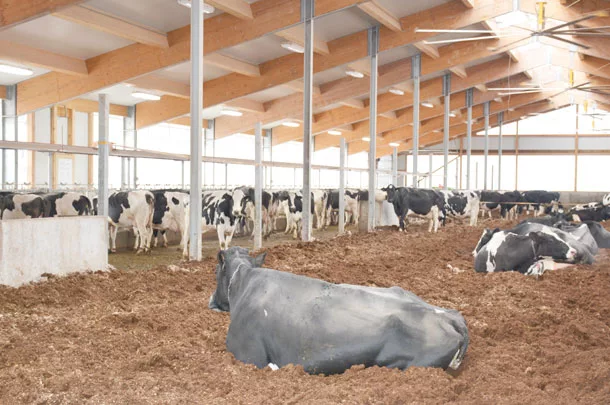
When raising cattle in confinement systems, bedding is far more than just a comfort factor—it plays a central role in animal health, barn management, and overall efficiency. Choosing the right material requires balancing availability, absorbency, insulation, and how well it performs over time. As more producers adopt confinement housing, questions continue to arise about best practices. While space requirements and bunk design are important, bedding is another critical component that should be carefully planned before animals are moved into the facility.
The type of bedding used has a direct impact on how the barn’s resting or loafing area is managed. For example, materials such as sawdust and wood chips are well suited to composting bedded-pack systems, whereas unprocessed straw is less effective in that role. Each bedding option comes with its own characteristics, particularly in terms of moisture absorption and insulation—two factors that strongly influence animal comfort and barn conditions.
Straw from cereal crops like wheat, oats, rye, barley, and triticale is commonly used because of its availability and insulating properties. Its hollow stems trap air, helping retain warmth until the material becomes saturated. Straw also tends to produce less dust than many alternatives, which supports better respiratory health and contributes to a cleaner barn environment. However, its absorbency varies by type, with wheat, oats, and rye offering moderate water retention, barley absorbing less when unprocessed, and triticale holding relatively more moisture.
Wood-based materials such as sawdust and wood chips behave differently. When dry, they absorb moisture quickly but provide less insulation than straw. Sawdust, due to its finer texture and greater surface area, holds significantly more water than wood chips. Wood chips, on the other hand, offer better structure but lower absorbency. Combining the two can be beneficial, as the larger chips help maintain airflow and reduce compaction in composting systems, improving overall bedding performance.
Corn stalks, or stover, are another bedding option, particularly for producers integrating crop and livestock systems. However, they can be challenging to manage. If not properly dried before baling, they are prone to mold and heating due to retained moisture. When chopped, corn stalks provide good insulation, but they have a lower capacity to absorb moisture compared to other materials. It is also common for cattle to consume a portion of the stalks when they are first introduced as bedding.
Moisture retention is a key factor when comparing bedding types. Sawdust generally has the highest water-holding capacity, followed by various straw types, while wood chips hold slightly less moisture. Corn stalks tend to have the lowest moisture retention among common bedding materials. These differences influence how frequently bedding must be replaced and how effectively the barn stays dry.
The amount of bedding required depends on factors such as animal size, production stage, barn design, and environmental conditions. Growing or finishing cattle typically require between 4 and 6 pounds of bedding per head daily, while mature cows may need 10 to 15 pounds per day due to higher waste output. Conditions such as open barns or exposure to wind and rain can increase bedding needs, making regular monitoring essential.
Although daily usage estimates are useful for planning, bedding is not usually added every day. Instead, most producers apply bedding several times per week. During high-demand periods such as calving, bedding may be added two to three times weekly, while once-weekly application is more common under normal conditions. For example, a herd of 100 cows might require several bales applied multiple times each week to maintain a dry and comfortable environment.
Planning ahead is essential to ensure a steady supply of bedding materials. Securing straw during harvest or arranging for corn stalk baling in advance can help avoid shortages and last-minute challenges. By understanding the strengths and limitations of each bedding type and preparing accordingly, producers can create a more efficient, comfortable, and productive confinement system for their cattle.
