

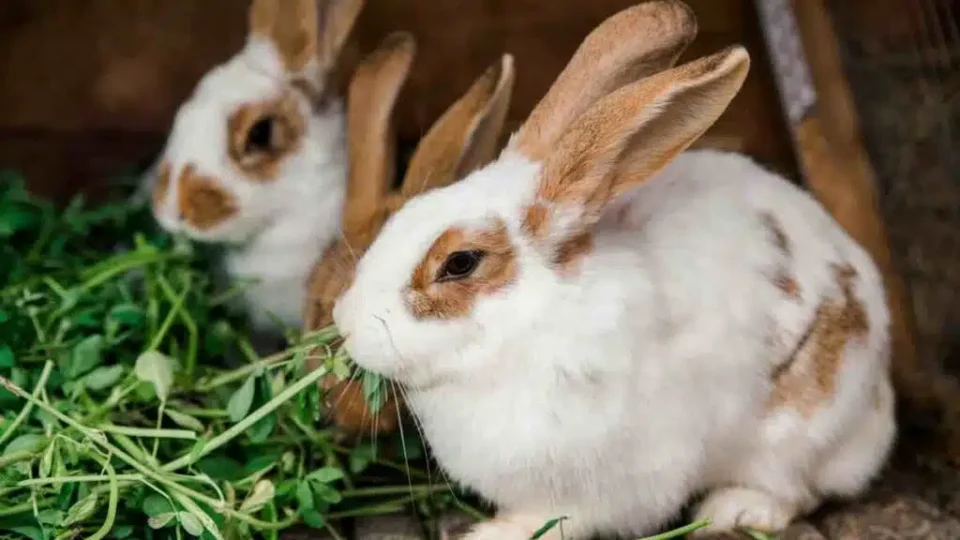
Rabbit farming, also known as cuniculture, is gaining attention as a profitable and sustainable livestock enterprise. For farmers seeking diversification or a low-cost entry into animal production, rabbits offer several compelling advantages.
1️⃣ High Reproductive Potential
Rabbits are known for their exceptional breeding capacity. A female rabbit (doe) can produce between five and eight kits per litter on average, with some litters reaching up to 12. With proper management, does can have multiple litters per year, allowing farmers to scale production quickly and generate consistent income.
2️⃣ Low Start-Up Costs
Compared to cattle, poultry, or pig production, rabbit farming requires relatively modest capital investment. Housing structures are simple, land requirements are minimal, and breeding stock is generally affordable. This makes rabbit farming particularly attractive to small-scale farmers and youth entrepreneurs entering the livestock sector.
3️⃣ Affordable Feeding
Rabbits are herbivores and can thrive on hay, grasses, vegetable scraps, and formulated pellets. In many regions, much of their diet can be sourced locally, helping to reduce feed expenses — one of the largest costs in livestock production. Efficient feed conversion further enhances profitability.
4️⃣ High Nutritional Value of Meat
Rabbit meat is lean, high in protein, and low in fat. It is also rich in essential nutrients such as iron and vitamin B12. As consumers increasingly seek healthier meat options, rabbit meat is becoming an appealing alternative to traditional red meats.
5️⃣ Growing Market Demand
Demand for rabbit meat is expanding in both local and international markets due to its nutritional profile and culinary versatility. In addition to meat, there are niche markets for rabbit skins and breeding stock, offering multiple revenue streams for producers.
6️⃣ Environmentally Sustainable
Rabbit farming is considered environmentally friendly. Rabbits require less space, consume fewer resources, and produce lower greenhouse gas emissions compared to larger livestock species. Their small footprint makes them suitable for peri-urban and smallholder farming systems.
7️⃣ Valuable Organic Fertilizer
Rabbit manure is a highly beneficial byproduct. Rich in nitrogen and phosphorus, it can be applied directly to crops without composting in many cases. This provides farmers with a natural fertilizer option, improving soil health and reducing reliance on chemical inputs.
With its low barriers to entry, strong reproductive performance, and growing consumer demand, rabbit farming presents a practical and sustainable opportunity for farmers looking to diversify income streams and strengthen food security.
