


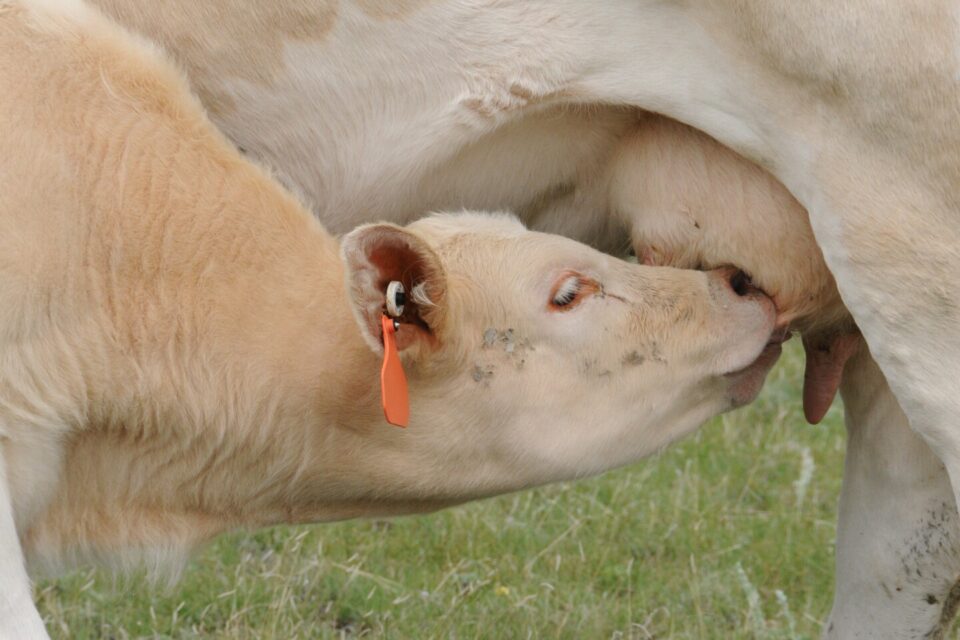
Udder and teat quality are among the most important functional traits in beef cows, as they play a direct role in calf health and growth. While udder quality is often associated with dairy production, it is equally important in beef cattle systems. Poor udder structure can affect a calf’s ability to nurse properly and may lead to health problems such as mastitis, ultimately reducing calf performance and farm profitability.
Over time, the effects of gravity and age can cause changes in the udder structure of beef cows. As cows grow older, the ligaments that support the udder can weaken, causing the udder to hang lower than normal. This can increase the risk of injury and make it more difficult for calves to access the teats for nursing.
Experts recommend that the best time to evaluate udder quality in beef cattle is during calving or shortly after birth. At this stage, the udder is full of milk, making it easier to observe teat size, shape, and overall udder structure. Identifying issues at this stage allows farmers to make informed management decisions and maintain records that can assist with future herd improvement and culling decisions.
When assessing udder quality, producers should pay attention to several key factors, including udder attachment, teat size, overall conformation, and functionality. Ideally, the udder should be well attached and carried high on the body, with teats that are moderate in size and easy for calves to nurse. Extremely large or misshapen teats may prevent calves from latching properly, which can lead to inadequate milk intake and poor early growth.
Observing calves during nursing is also important. Farmers should monitor whether calves are able to nurse easily and whether they are accessing milk from multiple quarters of the udder. Difficulty in nursing may indicate structural problems or underlying health issues that need attention.
One of the most common udder health challenges in cattle is mastitis, an infection of the milk-producing tissue usually caused by bacteria. Mastitis can cause swelling in the affected quarter of the udder and may result in abnormal milk that appears thick, watery, or contains clots. In some cases, infected cows may also show signs of illness such as fever or reduced appetite, although some cows may show few visible symptoms.
Mastitis can have serious consequences for both the cow and the calf. Affected cows often produce less milk, which can leave calves undernourished and weak. Calves may appear lethargic due to hunger if milk production is significantly reduced. Even after the infection has cleared, the affected quarter may remain permanently damaged and produce little or no milk for the rest of the cow’s productive life.
Milk production is a critical factor influencing calf growth before weaning. Increased milk yield can significantly improve calf weight at weaning, which is a key determinant of profitability in cow-calf operations. Research indicates that each additional pound of milk produced daily can increase a calf’s pre-weaning weight by approximately 15 to 30 pounds.
Because calf prices often remain strong in many markets, reduced milk production caused by udder problems or mastitis can lead to substantial financial losses for producers. For this reason, regular monitoring of udder health and structure should be an essential part of herd management.
By carefully assessing udder quality, maintaining good health management practices, and recording any issues during calving, beef cattle producers can improve herd productivity and ensure healthier, stronger calves. Proper attention to udder health not only benefits animal welfare but also plays a crucial role in maintaining long-term profitability in beef production.
