


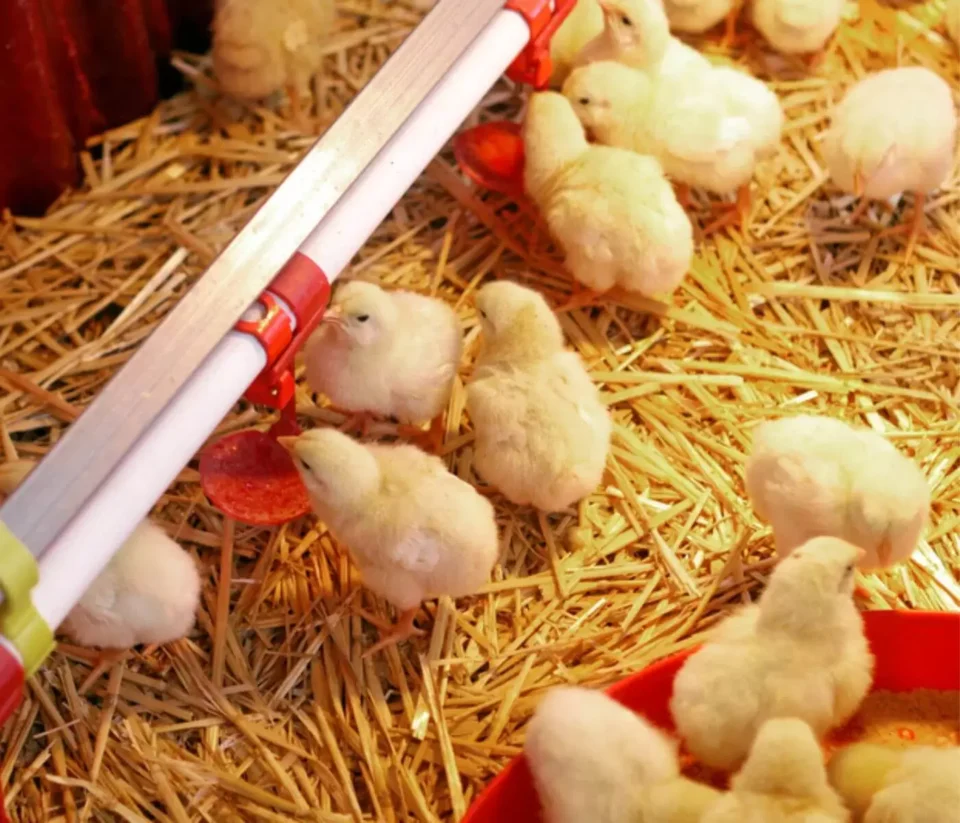
The first few days after chicks hatch are among the most critical stages in poultry production. This early phase, known as brooding, determines how well day-old chicks adapt, grow, and survive. Many losses that occur during this period are not caused by disease alone, but by simple management errors made immediately after the chicks arrive. Paying close attention at this stage and making informed decisions can give your flock a strong and healthy start.
One common mistake farmers make is failing to warm up the brooder before the chicks arrive. Day-old chicks are unable to regulate their body temperature and depend entirely on their environment for warmth. If the brooder is cold on arrival, chicks become stressed, weak, and vulnerable to disease. Preparing the brooder several hours in advance allows temperatures to stabilize and creates a comfortable environment from the moment the chicks are placed inside.
Another issue is introducing feed too early without first ensuring that chicks are properly hydrated. After transport, chicks are often dehydrated and need access to clean drinking water before they begin feeding. Providing water mixed with glucose and vitamins for the first few hours helps restore energy levels, supports digestion, and improves early survival rates. Feeding should only begin once the chicks have had sufficient time to drink.
Feeding equipment also plays a major role during the brooding stage. Large feeders are unsuitable for young chicks, as they struggle to reach the feed and may go hungry despite feed being available. Shallow trays are more effective during the first week, after which chick feeders can be introduced gradually as the birds grow and become stronger.
The choice of flooring material is another area where mistakes are often made. Using tarpaulin instead of proper brooder paper can increase the risk of diseases such as coccidiosis, which thrives in damp and unhygienic conditions. Brooder paper is safer, easier to manage, and reduces the chances of chicks ingesting harmful materials. Similarly, husks used for bedding should always be covered, as chicks cannot distinguish between feed and litter and may consume husks, leading to digestive problems and illness.
Feed quality is just as important as feed access. Starter feed with large particles is difficult for chicks to digest and can slow early growth. Fine-textured starter feeds are better suited to their small digestive systems and help ensure efficient nutrient uptake during this crucial growth phase.
Temperature management must be carefully monitored throughout brooding. Excessive heat can be just as harmful as cold conditions, causing dehydration, stress, and constipation. Observing chick behavior—such as crowding, spreading out, or panting—can help farmers adjust temperatures to optimal levels. In addition, overcrowding should be avoided, as chicks require adequate space to move, rest, and grow comfortably. Limited space increases stress and raises the risk of disease transmission.
As an added measure, supplementing drinking water with glucose and vitamins during the early days can significantly reduce mortality and support stronger chick development. With proper preparation, careful observation, and good management practices, poultry farmers can avoid common brooding mistakes and set their day-old chicks on a path toward healthy growth and improved productivity.
