

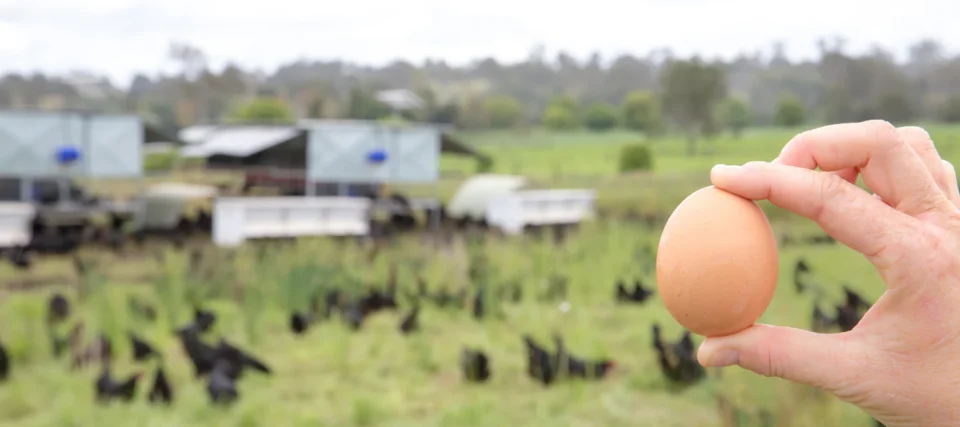
Free-range egg production remains a key component of the poultry sector, but it also presents growing health and biosecurity challenges. With threats such as avian influenza on the rise, industry experts are urging free-range producers to take proactive steps to protect their flocks. The current disease season has already seen a high number of outbreaks, underlining the need for stronger prevention strategies and long-term investment in disease mitigation.
The very nature of free-range systems, where birds have outdoor access, increases their exposure to wild birds, contaminated water, and environmental pathogens. While consumers value free-range eggs for animal welfare reasons, these systems require greater biosecurity measures than enclosed production. Although disease risk can never be fully eliminated, careful planning and targeted investment can significantly reduce infection spread.
Strong market demand for free-range eggs has improved returns for many producers, offering the opportunity to reinvest in farm infrastructure. Upgrading facilities can prevent costly losses caused by disease outbreaks, which often lead to flock culling, production downtime, and financial strain. Key areas for improvement include:
-
Farm infrastructure: Poorly maintained buildings, damaged roofs, broken gutters, and standing water around sheds create ideal conditions for disease. Simple upgrades like improved drainage, sealed openings, and better roofing can make a significant difference.
-
Rodent control: Rats and mice can carry pathogens into feed areas and housing units. Effective pest management, secure feed storage, and clean surroundings are essential.
-
Vehicle and human traffic: Mud, manure, and organic matter on tyres, clothing, and equipment can transport disease. Measures such as wheel washes, strict hygiene protocols, restricted access, and staff training help mitigate these risks.
Experts stress that disease prevention is an ongoing process, requiring regular assessments, staff training, and structural improvements. Some industry players also provide advisory support and insurance options to help producers manage both prevention and recovery.
Protecting flock health is not only critical for individual farms but also for consumer confidence and the long-term sustainability of the free-range egg sector. By prioritizing biosecurity and adopting a forward-thinking approach, producers can safeguard their birds, livelihoods, and the future of the industry.
