

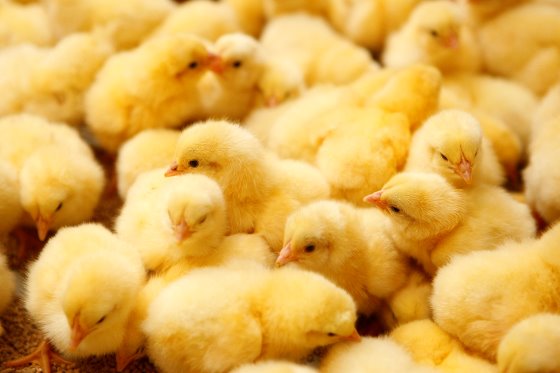
Egypt is accelerating the development of its poultry industry following the approval of hundreds of new project licenses aimed at expanding production and attracting investment. The move highlights the government’s commitment to strengthening one of the country’s most vital agricultural sectors, which plays a key role in food security, employment, and the supply of affordable protein.
The newly issued licenses, approved in early February, cover a wide range of activities across the poultry value chain, including farms, hatcheries, feed production units, and processing facilities. By streamlining the approval process, authorities are making it easier for both emerging entrepreneurs and established agribusinesses to enter and expand within the sector while ensuring compliance with health and technical standards.
This initiative forms part of a broader strategy to modernise poultry production and create a more structured and competitive industry. Licensing ensures that operations adhere to strict biosecurity measures, which are essential in protecting flocks from disease outbreaks and maintaining consistent productivity. Improved regulation also supports better hygiene, environmental management, and overall product quality.
Poultry farming continues to be a major source of income across Egypt, supporting thousands of jobs throughout the value chain—from feed manufacturers and hatcheries to farmers, processors, and retailers. With demand for poultry meat and eggs rising alongside population growth, expanding production capacity is seen as critical to ensuring stable supply and price control in domestic markets.
The government is also working to encourage further investment by reducing bureaucratic barriers that have historically slowed sector growth. Simplified administrative procedures are expected to attract more participants, including small-scale farmers and larger commercial operators, while stimulating growth in related industries such as veterinary services and feed manufacturing.
Beyond domestic production, Egypt is positioning itself to enhance the competitiveness of its poultry products in international markets. With improved farm management, upgraded facilities, and stronger regulatory oversight, the country aims to meet higher quality standards and unlock new export opportunities.
Overall, the approval of these poultry projects marks a significant step toward building a more resilient and sustainable industry. By supporting investment, enforcing standards, and increasing production capacity, Egypt is laying a strong foundation for long-term growth in a sector that remains essential to both the economy and national food security.
