
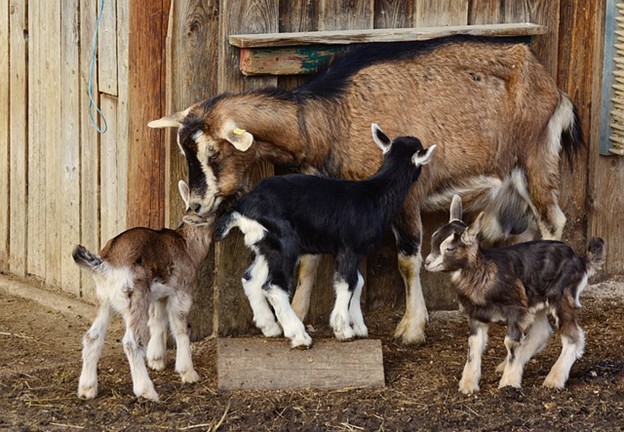
Pregnancy toxemia is a serious metabolic disorder that can threaten both pregnant does and their kids if not identified and managed early. The condition usually occurs in the final weeks of gestation, when the energy demands of rapidly growing fetuses increase dramatically.
According to Karoo Skilder Stud, pregnancy toxemia is most common during the last four to six weeks of pregnancy, particularly in does carrying twins or triplets. Even hardy breeds like the Northern Cape Skilder goat, well adapted to local veld conditions, can face metabolic challenges at this stage.
The disorder develops when the doe’s energy reserves are insufficient to meet the high demands of her developing fetuses. At the same time, the expanding uterus reduces rumen capacity, limiting feed intake. When the doe cannot consume enough energy, her body begins breaking down fat reserves. This rapid fat mobilisation leads to an accumulation of ketone bodies in the blood, causing metabolic imbalance and the clinical signs farmers may observe.
Recognising the Signs
Pregnancy toxemia can appear suddenly. A doe may seem healthy one day and weak or reluctant to move the next. Early symptoms often include:
- Loss of appetite
- Lethargy
- Separation from the herd
Affected does may spend long periods lying down and show reduced rumen activity, while body temperature usually remains normal or slightly lower, making field diagnosis difficult. In severe cases, does may go into premature labour within 12 to 48 hours, often giving birth to weak, non-viable, or stillborn kids.
Treatment
Treatment focuses on restoring blood glucose levels and correcting the metabolic imbalance. Karoo Skilder Stud recommends:
- Propylene glycol: 60–100 ml orally, twice daily, as a rapid glucose precursor.
- Molasses-based energy drenches: To boost blood glucose.
- Supportive therapies: Vitamin B complex to stimulate appetite and improve metabolic function; calcium supplementation for muscle strength.
- High-quality roughage: Lucerne and other nutrient-dense forage.
- Antibiotics or anti-inflammatories: Only if infection or tick-borne disease is suspected.
Prompt intervention can significantly improve survival rates for both does and kids.
Prevention
Prevention is the most effective strategy. Proper nutritional management in late pregnancy is essential:
- Does should enter the final trimester in moderate body condition.
- Supplement energy intake during the last month before kidding, especially when veld grazing is poor.
- Provide high-quality forage, such as lucerne, to reduce the risk of toxemia.
- Monitor does closely in the last weeks of gestation; early detection greatly increases the chances of survival.
By carefully managing nutrition and observing does for early signs, farmers can protect both mothers and their kids from this potentially deadly condition.
