
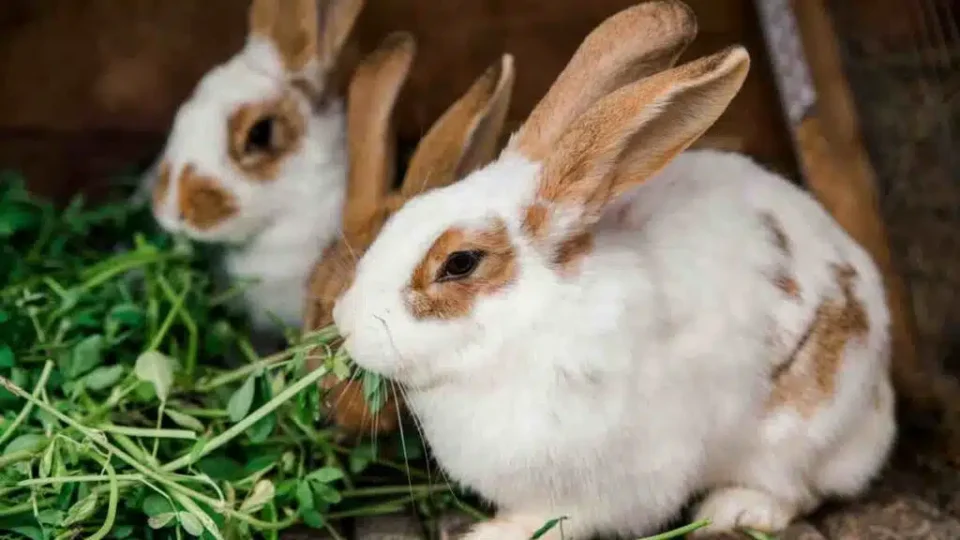
For entrepreneurs and small-scale farmers exploring new opportunities in agriculture, rabbit farming—also known as cuniculture—offers a compelling mix of low start-up costs, fast returns, and sustainability. With rising demand for affordable, nutritious protein and environmentally friendly farming practices, rabbits are increasingly gaining attention as a viable livestock option.
One of the biggest advantages of rabbit farming is its high reproduction rate. A single doe can produce several litters each year, with an average of five to eight kits per litter and, in some cases, up to twelve. This rapid breeding cycle allows farmers to scale production quickly and generate income within a short period.
Rabbit farming also stands out for its low capital requirements. Unlike cattle, goats, or poultry operations that demand significant upfront investment, rabbits require minimal housing, basic equipment, and limited land. This makes the venture particularly attractive to youth farmers, women, and first-time agripreneurs.
Feeding costs are another major benefit. Rabbits are herbivores and thrive on grass, hay, vegetable waste, and locally available forage. This significantly reduces ongoing expenses and allows farmers to rely on affordable or home-grown feed sources, improving overall profitability.
From a consumer perspective, rabbit meat offers strong nutritional value. It is high in protein, low in fat and cholesterol, and rich in essential nutrients such as iron and vitamin B12. As health-conscious diets gain traction globally, rabbit meat is increasingly seen as a premium yet accessible alternative to traditional red meats.
Market demand for rabbit products continues to grow, driven by changing dietary preferences and expanding niche markets in both local and export segments. Beyond meat, rabbit skins and breeding stock also provide additional income streams for farmers who structure their operations strategically.
Rabbit farming is also environmentally sustainable. Rabbits require less space, water, and feed than most livestock and produce lower greenhouse emissions. Their manure, rich in nitrogen and phosphorus, is an excellent organic fertilizer that can be applied directly to crops without composting, improving soil health and crop yields.
In an era where farmers must balance profitability with sustainability, rabbit farming offers a practical solution. With the right management, basic training, and market access, cuniculture can become a reliable and rewarding agricultural enterprise—proving that sometimes, the smallest livestock can deliver the biggest returns.
